


The five best movies to watch on Netflix this weekend
Have you noticed how Netflix viewers don’t really go mad over release dates anymore? One of the platform’s biggest films right now might’ve only just landed this year, while another one can be old enough to have been sat on the shelves in Blockbuster back in the day. Crazy, right? But it just goes to show that if a film’s a good watch, people are going to find it sooner or later. And this week’s recommendations are the same.
It’s actually one of the most interesting things about streaming at the moment. A film doesn’t need some massive marketing push to get people talking. Word of mouth still counts for loads. If a story clicks with people, it’ll find its audience eventually, whether it came out last month or twenty years ago.
And Netflix is probably the best example of that. New films are constantly turning up, but they are often going head-to-head with older favourites that’ve had years to build up loyal fans.
And that’s exactly what we have got for you this weekend. A couple of newer arrivals have been getting plenty of attention, while a few older classics are reminding everyone why they have stuck around for so long.
The five best movies to watch on Netflix this weekend
Voicemails for Isabelle (Leah McKendrick, 2026)
Let’s start with the newest one on the list. Voicemails for Isabelle follows a man who is trying to get his head around a loss that has really knocked him sideways. He’s going through a bunch of old voicemail messages left by someone who meant absolutely everything to him, and as he is listening back, all sorts of memories start coming back. Memories he’d buried and, questions he reckoned were long settled suddenly come flooding back and do his head in all over again.
What’s something really good about this Netflix film is that it’s not relying on some massive twist idea to keep you hooked. It’s dead personal, you know? The whole thing’s built around things people wish they’d said when they still had the chance. We have all had moments like that, haven’t we? And that’s not easy to pull off, by the way. But Voicemails from Isabelle just let the story breathe. It trusts you to sit with the emotions and make your own mind up, instead of bashing you over the head with them.
Song Sung Blue (Craig Brewer, 2025)
Here is a sentence that sounds made up: a struggling couple become local celebrities by performing Neil Diamond songs. Except it actually happened. Song Sung Blue is inspired by a true story and follows Mike and Claire Sardina, a married couple whose tribute act transforms their lives. It begins as a small local venture and grows into something much bigger. Now that forces them to deal with success and the realities of life in the spotlight.
The film benefits enormously from the fact that the premise already carries a certain charm. You don’t need aliens or world-ending disasters when a story this peculiar has happened in real life. The music also does a lot of work. Even viewers who don’t consider themselves Neil Diamond fans will recognise more songs than they realise. Beneath the performances and growing fame sits a surprisingly human story about marriage and second chances. Not every biographical drama needs to tell the story of a global superstar. Sometimes, ordinary people make for a more interesting watch.
Drinking Buddies (Joe Swanberg, 2013)
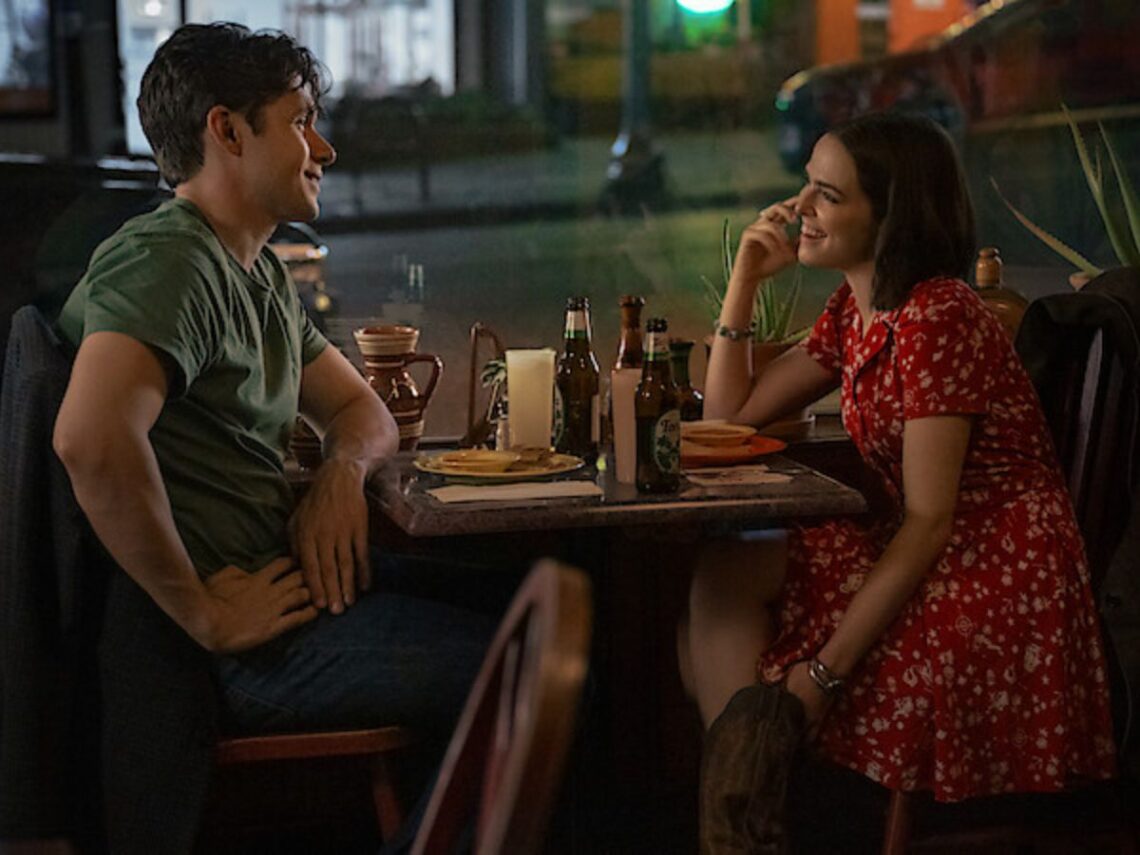
ments you’ve accidentally overheard. The film centres on Luke and Kate, co-workers at a Chicago craft brewery who spend a lot of time together despite being in separate relationships. Luke is dating Jill. Kate is involved with Chris. Nobody is technically doing anything wrong.
Most romantic dramas build towards a major revelation or scandal. Drinking Buddies takes a different route. It focuses on the awkward grey areas that exist between friendship and attraction. The cast, led by Olivia Wilde and Jake Johnson, makes those relationships feel believable from the start. If you’ve ever watched two people and thought that something is going on between them, you will understand exactly what this film is doing.
Funny People (Judd Apatow, 2009)
When Funny People was released in 2009, audiences expected another broad comedy from Judd Apatow. Instead, they got something much stranger and far more introspective. Adam Sandler plays George Simmons, a hugely successful comedian who discovers he has a serious illness. Faced with his own mortality, George hires aspiring comic Ira Wright, played by Seth Rogen, to help organise his life. What follows isn’t a straightforward comedy or a straightforward drama. It sits somewhere between the two.
The really interesting thing about this film, though, is Adam Sandler. Most people look at him now and think of films like Uncut Gems when they talk about how good an actor he can be, but Funny People was showing that side of him years before that. This wasn’t the usual loud, daft, larger-than-life character everyone expected from him. And we reckon that’s one of the reasons the film’s aged a lot better than people give it credit for. Underneath all the laughs, it’s asking some pretty uncomfortable questions. What does success actually get you? How much do your friends really matter when everything’s going well? And can people genuinely change, or are they always going to fall back into the same old habits? People were expecting these questions from a comedy back in 2009, which is probably why the film got a bit overlooked at the time.
Stuart Little (Rob Minkoff, 1999)
Stuart Little is now more than 25 years old, which feels ridiculous because the world was just vibing with the talking mouse. The film follows Stuart, a mouse adopted by the Little family, much to the confusion of their son George and the absolute horror of Snowbell the cat. From that point onwards, everyone more or less accepts that a talking mouse has joined the household and gets on with their day. The film deserves credit for committing to the premise with complete confidence.
What keeps it watchable all these years later is the sincerity. Modern family films often chase constant jokes or endless references aimed at adults. Stuart Little takes a much simpler approach. It tells a story about belonging. Stuart wants to fit in. George wants a brother. The family wants things to work. That emotional base carries the film from start to finish. Also, the visual effects remain surprisingly impressive for a film released in 1999, which is no small achievement. The best part is, Netflix has just added it to its catalogue so you can stream it anytime.