


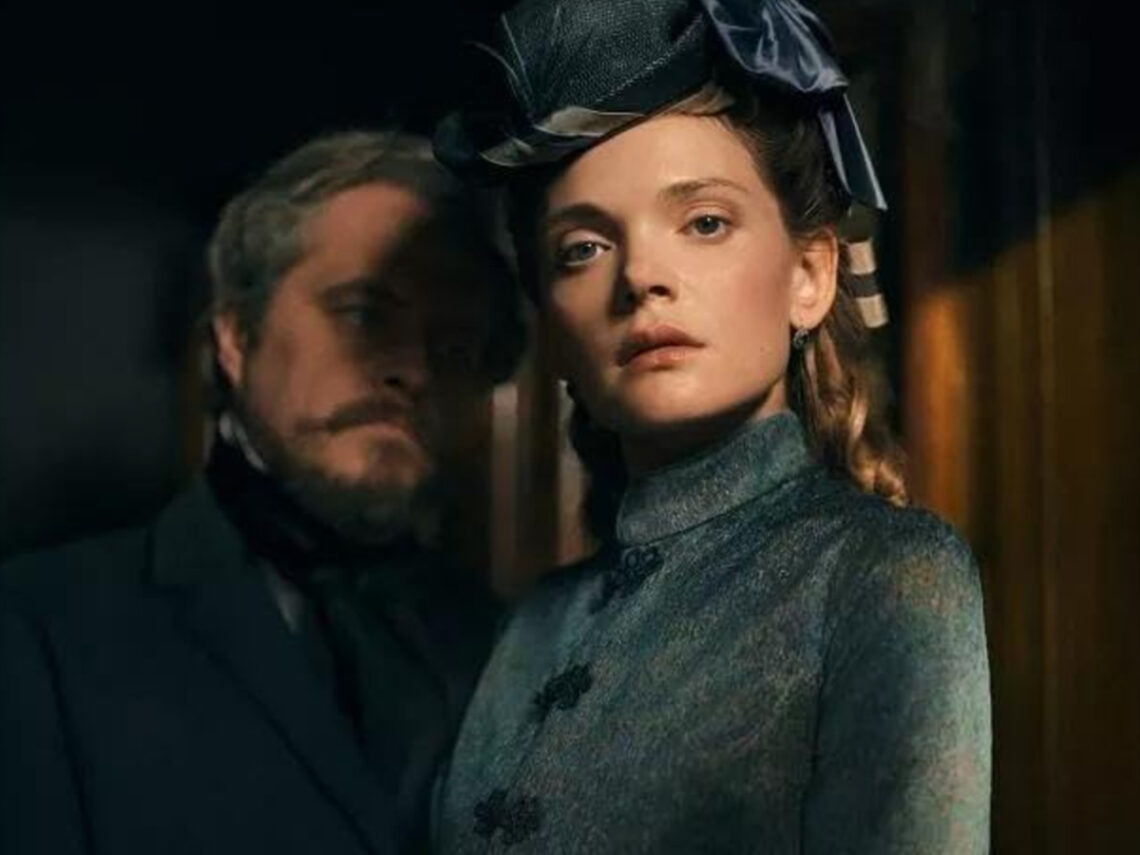
‘The Doll’ ending explained: What really happens to Wokulski and Izabela?
Say what you want about changing a classic, but Netflix picked one hell of a book to mess with when it came to The Doll.
Bolesław Prus left Wokulski’s fate hanging for more than a century, and readers have spent that time arguing over what happened to him. Then Netflix comes along, looks at all that ambiguity and, snip, sends the story somewhere else.
And fair enough, because Prus does not give you much comfort at the end. Wokulski’s disappearance has been debated for generations, while Izabela is left facing a bleak future. And Prus never really gives readers a firm answer about where any of it goes. That uncertainty became part of the story, so changing it was never going to pass unnoticed.
The series follows Stanisław Wokulski, a self-made merchant who returns from war with money and sets his sights on aristocrat Izabela Łęcka. You might think this is just a love story, but give it a minute. Wokulski starts tying Izabela to everything he feels he lacks, and romance starts carrying far more than it should.
Izabela has her own problem too: everyone else seems to have a plan for her life, while she wants more freedom. That is why Ivy and the idea of women’s emancipation matter to her, and by the finale, marrying Wokulski is no longer the only future on the table.
What happens at the end of The Doll?
Wokulski and Izabela are supposed to get married, except, well, the wedding is not really the romantic finish everyone around them assumes it is going to be, because the two of them have already decided to use the ceremony as part of a much bigger deception. Before they can marry, Wokulski walks out, Izabela tells everyone the wedding is cancelled, and then, boom, his store blows up, which gives the entire city a pretty convincing reason to believe he died inside.
Then a burnt body is found and, naturally, everyone thinks the mystery is over, except the corpse is not Wokulski at all. It belongs to Kazimierz Starski, Izabela’s cousin, whom Marianna killed before the explosion, and that little coincidence ends up giving Wokulski exactly the cover he needs because nobody is going to spend much time questioning a death when there is, quite literally, a body in the ruins.
Izabela then tells everyone she is going to a convent, and if you know Prus’s novel, that should make your ears perk up because, yes, Netflix is borrowing directly from her original ending but only to mess with it. Before she leaves, she meets Wokulski again, where he gives her money, and she passes most of it to Ivy for the emancipation cause, which makes much more sense after seeing how strongly the series connects Izabela with the idea of women having some control over their own futures.
Wokulski, meanwhile, is hardly riding off into poverty because he has found oil on another piece of land, which means he has money waiting for him and, more importantly, a life beyond the world he spent so much time trying to enter. Then comes the part that settles the romantic question once and for all: he and Izabela meet again, reconcile and kiss, so yeah, that cancelled wedding was never really about the two of them rejecting each other.
How does Netflix change the book’s ending?
And this is where the adaptation gets clever, because Prus leaves Wokulski in a much murkier place. In the novel, after his relationship with Izabela collapses as he withdraws from his old life and eventually disappears, reports place him near the ruins at Zasławek, where an explosion later occurs. Nobody is found, though, so nobody can say with certainty whether Wokulski killed himself or left Poland or went off to begin another life, and Prus simply leaves that question hanging there.
Izabela’s fate in the book is bleak in a different sense, because after her father dies and her social position collapses, she leaves the country with talk of entering a convent, while Rzecki dies without ever learning what became of Wokulski. There is no tidy reunion and certainly no kiss to reassure you that these two found their way back to each other.
Netflix takes those same pieces, like the explosion, the disappearing Wokulski and Izabela’s convent story, and turns the whole thing inside out. In Prus, the uncertainty exists because nobody knows what happened; in the series, Wokulski and Izabela manufacture that uncertainty themselves and let everyone else believe the version that suits them.
And that, really, is the neatest trick in the finale: the show does not erase Prus’s ending so much as repurpose it, taking the symbols of defeat from the book and turning them into tools the characters use to escape.