


Seven Netflix romance movies based on books
Do you know that feeling when you have spent hundreds of pages waiting for two characters to kiss, and when it happens, you have to gaze into the void for a moment because, good grief, that took its sweet time? That is the spell romance books cast, and readers have been falling for it for generations, so of course, Netflix has caught on too.
The streamer keeps turning love stories from the page into films, with Emily Henry’s Funny Story and Happy Place among the projects still to come. Well, who’s saying no to that? Turns out romance still has a firm grip on popular culture, and Netflix knows it.
There is plenty to choose from already, from To All the Boys I’ve Loved Before and Lady Chatterley’s Lover to Persuasion and Love at First Sight. Each book adaptation came with readers ready to watch, judge, and, of course, have opinions.
We have come a long way from Jane Austen’s drawing rooms to Emily Henry’s librarian love story, but the appeal of two people taking far too long to admit how they feel has not gone anywhere. So, here are seven Netflix romance films that made readers fall in love on the page first.
Seven book-based Netflix romance movies:
Atonement (Joe Wright, 2007)
The cruellest thing about a romance that even briefly offers the chance that things might still be put right is that you begin to believe it too, and Atonement does that all too well. Joe Wright’s adaptation of Ian McEwan’s 2001 novel begins in 1935, with young Briony Tallis misreading the relationship between her older sister Cecilia and Robbie Turner, the housekeeper’s son, and from there everything begins to change. One accusation tears their future in two, and then comes the Second World War, which makes reunion feel nearly impossible.
Keira Knightley and James McAvoy play the doomed lovers, while Saoirse Ronan makes Briony difficult to forgive (don’t know about you, but we’re still mad). However, it’s safe to say that most of us are still not over Cecilia’s emerald dress, which became almost as famous as the film itself.
All the Bright Places (Brett Haley, 2020)
Now we jump from love wrecked by history to something simpler; however, this will still prod the same bruise. All the Bright Places came from Jennifer Niven’s 2015 YA novel, and she herself helped write the screenplay alongside Liz Hannah, which gives the adaptation a direct line back to the person who created Violet and Finch in the first place. Elle Fanning’s Violet is grieving her sister when she grows close to Justice Smith’s Theodore Finch after the couple is thrown together for a school project exploring their home state.
Sounds like a beginning to an implausible friendship which is about to mutate into a strangers-to-lovers one, but the film never asks you to believe affection can cure everything either of them is carrying. Netflix and director Brett Haley made sure to treat the story’s mental-health material with care, consulting professionals during development and changing how some of the novel’s hardest moments appear on screen. How thoughtful!
Bridget Jones’s Diary (Sharon Maguire, 2001)
After that emotional walloping, we have something for all the single women living in their main-character era, and that’s Bridget Jones. This lady comes barging in, and Chardonnay and romantic catastrophes feel almost healing. Helen Fielding’s 1996 novel grew out of her newspaper columns, but Pride and Prejudice is peering over Bridget’s shoulder from the start. Fielding borrowed from Austen’s romantic machinery, right down to naming her aloof barrister Mark Darcy. And then the film casts Colin Firth, already the definitive Mr Darcy to a generation of BBC viewers. You can see why the joke still works.
Renée Zellweger’s Bridget, a publicity assistant in a publishing house, is trying to improve her life while becoming involved with both Darcy and her thoroughly unsuitable boss Daniel Cleaver, played by Hugh Grant. The actor did her homework, spending several weeks working with London’s Picador, where colleagues reportedly did not realise at first that a Hollywood actress had joined the office. Now that is commitment to the bit.
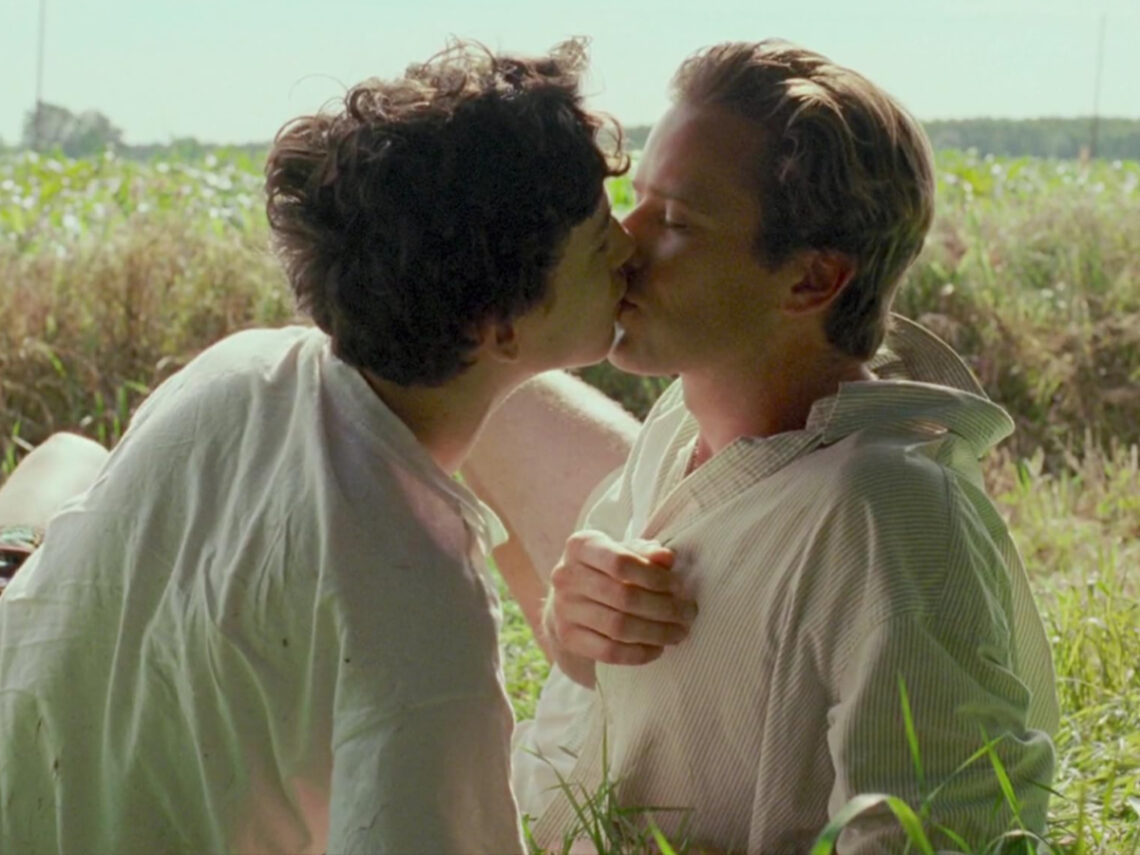
Call Me by Your Name (Luca Guadagnino, 2017)
Still considered one of the finest modern-day classics, this Luca Guadagnino film is based on André Aciman’s eponymous 2007 novel and takes place during one Italian summer in 1983, when 17-year-old Elio meets Oliver, the American graduate student staying with his family. Attraction arrives with caution, and you know from the start that summer cannot last forever.
The adaptation had a long courtship with cinema itself. Producers acquired the rights around the time Call Me by Your Name was published, but the project spent years in development hell before Guadagnino directed it. Our dear ballet despiser, Timothée Chalamet, also learned Italian for the role, adding it to the French he already spoke. No wonder the whole thing feels so effortless in its European skin.
Happiness for Beginners (Vicky Wight, 2023)
That Italian summer leaves quite the ache behind, so a long walk might sound sensible. Helen Carpenter, however, gets rather more wilderness than she bargained for. Fresh from a divorce and desperate to prove that she can still surprise herself, she signs up for a demanding hiking course, only to discover that Jake, her younger brother’s best friend, is coming too. You can probably see where this is heading, but the route there has a little too much awkwardness.
The film comes from Katherine Centre’s 2015 novel of the same name and stars Ellie Kemper opposite Luke Grimes, with Kemper drawn to Helen because the character was grumpier than the relentlessly sunny women she had often played before. Here’s a fun fact: writer-director Vicky Wight had already adapted Centre once before with The Lost Husband, so the source material is in tried and sure hands.
Jane Eyre (Cary Joji Fukunaga, 2011)
Of course, wandering around a windswept Gothic estate while falling for your secretive employer is another kettle of fish entirely. Cary Fukunaga’s 2011 Jane Eyre returns to Charlotte Brontë’s 1847 novel, with Mia Wasikowska playing the self-possessed governess who arrives at Thornfield Hall and falls for its brooding master, Edward Rochester, played by Michael Fassbender. Anyone who knows Brontë also knows Thornfield is not exactly running a peaceful household.
What makes this adaptation worth watching is how much Fukunaga takes us into the novel’s gothic unease. He felt earlier versions had softened the darker atmosphere, so his Thornfield is full of chilly spaces where something always seems off. The production used historic English locations, including Haddon Hall. Considering how many times Jane Eyre has already been filmed, finding a fresh route through Thornfield was no mean feat.
People We Meet on Vacation (Brett Haley, 2026)
Jumping in 2026 from Thornfield’s corridors to Barcelona sunshine is quite the change of scenery, but Emily Henry would hardly object. Her 2021 bestseller People We Meet on Vacation reached Netflix in January 2026, with Emily Bader as travel-loving Poppy and Tom Blyth as the far more reserved Alex. They become best friends almost by accident, then build their relationship around summer holidays together until something goes supremely wrong. Two years of silence later, Poppy suggests one more trip, because apparently, emotionally complicated holidays still count as holidays.
Book readers will notice that director Brett Haley did not treat the novel as sacred scripture. The book’s Palm Springs wedding becomes Barcelona in the film, while Poppy and Alex’s original meetings are condensed, but Haley also recreates the novel’s cover in the ending, and Emily Henry pops up herself as a wedding guest. Well, that left a mark.