


‘I Will Find You’: Five key differences between the book and the series
Six weeks on, and I Will Find You has still got the viewers captivated on Netflix. But that shouldn’t really be a surprise! Harlan Coben adaptations tend to linger on Netflix long after people have raced through the final episode, usually because everyone is still arguing over the twists. This one, led by Sam Worthington, has proved no different.
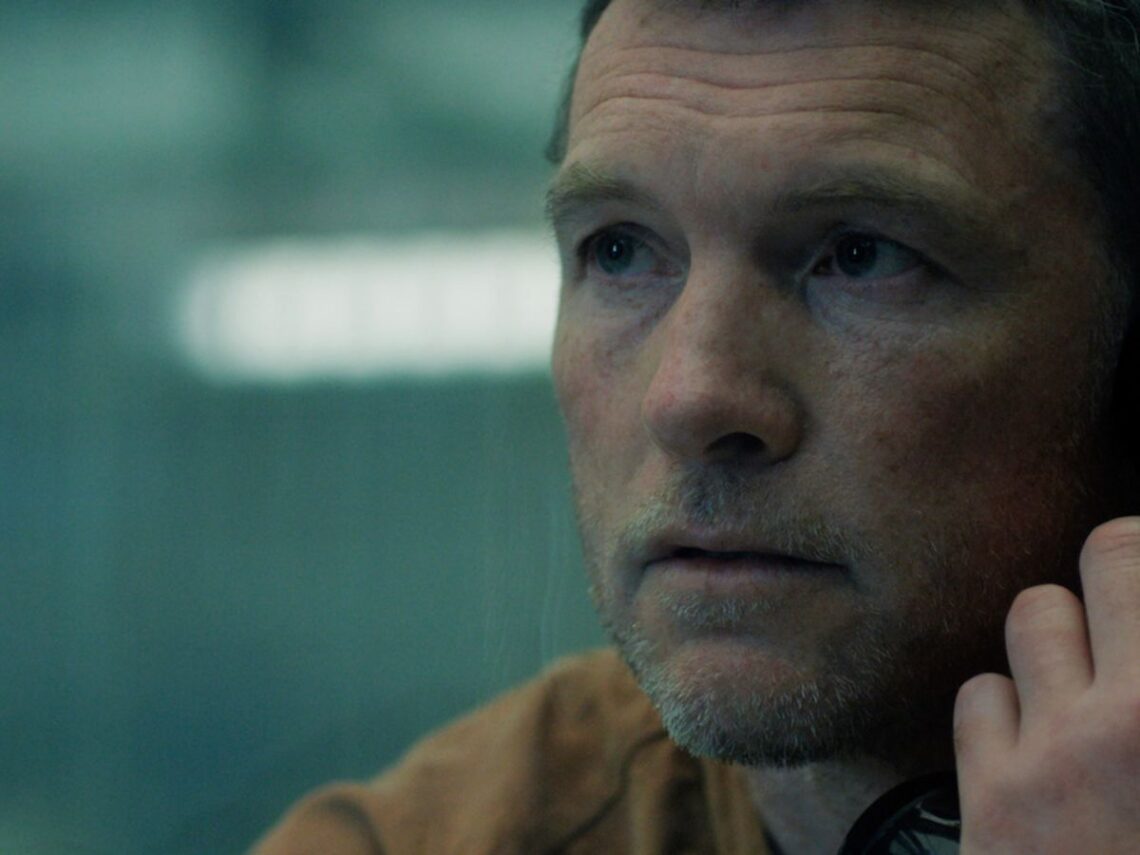
Worthington plays David Burroughs, a father serving a life sentence for murdering his young son, Matthew. David has always maintained his innocence, but his case appears hopeless until he is shown a photograph suggesting Matthew may still be alive. Well, that rather turns the whole thing on its head. David now has to break out of prison and track down his son while working out who was really responsible.
The series is adapted from Coben’s 2023 novel of the same name. The book uses the same irresistible hook and follows David as one piece of evidence forces him to question everything he thought he knew about his son’s death.
Netflix preserves the central mystery, although it takes a few noticeable liberties along the way. Some characters are given more to do, others are substantially reworked. So, now that plenty of viewers have had time to finish the series, let’s look at five key differences between I Will Find You the book and its Netflix adaptation.
Five key differences between I Will Find You and the book
1. Pixie’s relationship to Hayden
Let’s untangle the family tree first, because it is a right muddle. In Harlan Coben’s novel, Gertrude “Pixie” Payne is Hayden’s grandmother, the grand old matriarch keeping a beady eye on the family empire. In the Netflix series, though, she becomes his mother. Small change? Not on your nelly.
That change makes their bond feel far more personal and rather more toxic. She is no longer simply an older relative protecting the Payne name; she is a mum shielding her son from the consequences of his choices. You can almost hear years of favouritism and family secrets rattling in the background. It has now become far more personal. Same family, same money, but a much closer, nay, messier relationship. And when things finally go south, the betrayal becomes hard to digest.
2. Hayden and Pixie’s different fates
Now this is where the series really goes for broke. In the novel, Hayden and Pixie both survive the final confrontation. Thanks to money and a few well-placed connections, they seem capable of wriggling away from proper justice. Typical, eh? The book does hint that Nicky Fisher may settle the score himself, but it leaves the matter hanging.
The Netflix version is far less coy. Hayden shoots Gertrude during the turmoil, and Sarah Greer later shoots Hayden. That is that! No fancy lawyers or disappearing behind the family fortune. The book leaves you wondering whether they are getting away with it. The series gives a blunt answer: absolutely not. One ending is uneasy and suggestive; the other is loud and final. Different strokes, really, but both leave a sting in the tail.
3. David and Rachel’s romantic ending
Right, let’s talk about David and Rachel, because their ending changes the mood. In the novel, there is no beating about the bush: by the end, they are together and in love. It is a new beginning after all they have endured. A bit tidy, perhaps, but touching all the same.
The series plays it much more cautiously. David and Rachel hold hands, but nobody declares love or skips into the sunset. Instead, the show leaves the door slightly ajar. Maybe they become a couple; maybe they simply share a bond nobody else could understand. You are left to make your own mind up. While the book gives you a clear picture, the series leaves you hanging. Much subtler and arguably far more believable, too.
4. The FBI agents’ identities and relationships
Now then, the FBI duo gets more than a quick television name change. In the novel, the agents are Max Bernstein and Sarah Jablonski, partners whose banter gives the chase a great rhythm. Max begins to question the case against David, which helps push the story towards the truth.
In the series, they become Max Williams and Sarah Greer, and here is the kicker: they are father and daughter. That change adds another layer of family tension. Every argument is both professional and personal. Now, every risk Sarah takes matters to Max as an agent and as her dad. Greer also plays a far bigger part in the finale, ultimately shooting Hayden. So, yes, both versions feature two FBI agents on David’s trail, but their chemistry and emotional baggage are very different kettles of fish altogether, indeed.
5. The rewritten final confrontation
And then we reach the final showdown, and blimey, the series does nothing by halves. In the novel, the rescue ends with the police shooting David, while Hayden and Pixie survive. The consequences remain murky, which suits the book’s darker tone. You close the final pages wondering whether justice has been done.
Netflix, on the other hand, puts its foot down. Hayden shoots Gertrude and tries to flee with Matthew. He then chases him into the woods, shoots David and threatens Rachel. Then Sarah Greer arrives and kills Hayden. Here, there is no wondering whether the Payne fortune will make everything vanish. The series gives you a cinematic finish; the novel leaves an ominous thread dangling. Same basic rescue, perhaps, but a completely different tempo.