


How does ‘My Brilliant Career’ on Netflix differ from the book?
My Brilliant Career on Netflix intended to give Miles Franklin’s seminal 1901 classic a modern makeover, and so it did. And since its debut, all that’s trending on the internet are rave reviews of what critics have unanimously dubbed the Australian Bridgerton.
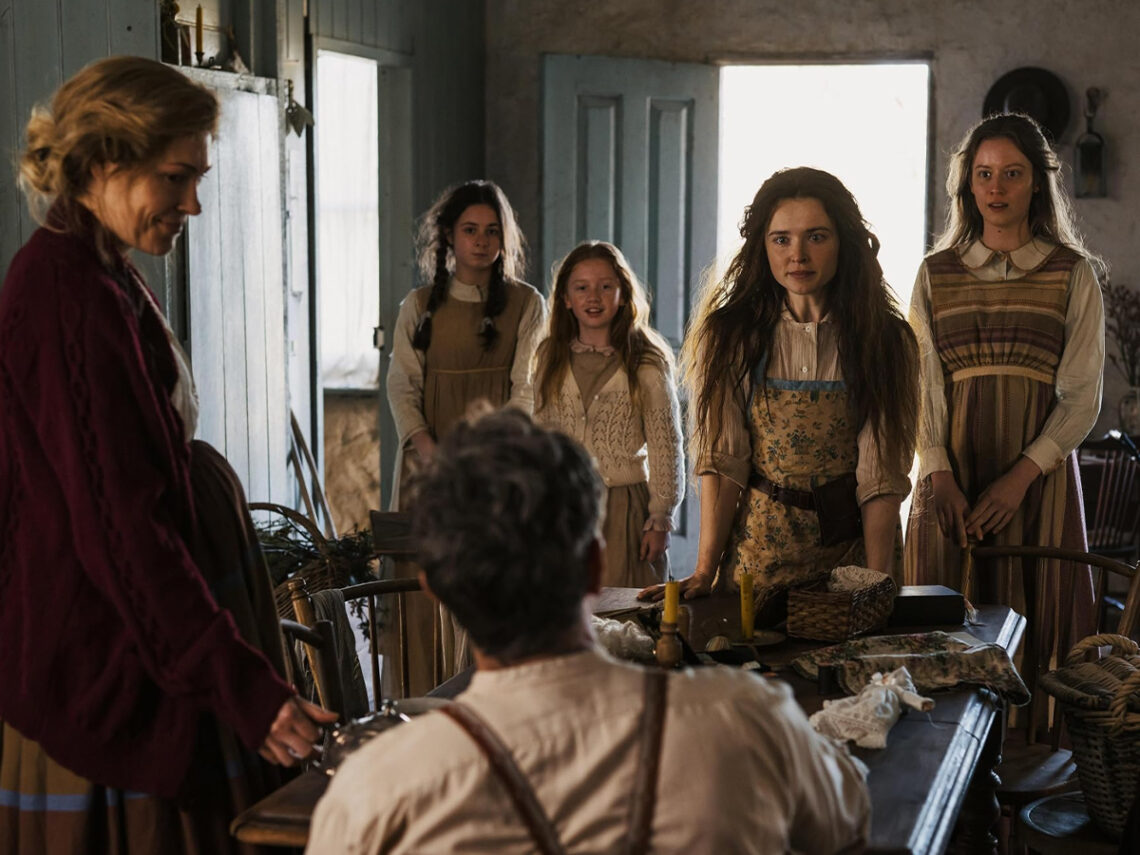
Directed by Alyssa McClelland and Anne Renton and created by Liz Doran, the six-episode adaptation tells the story of a free-spirited, rebel-minded, independent aspiring writer, Sybylla Melvyn, who refuses to bow to societal expectations of matchmaking and family pressures to marry for money, driven by her determination to chase her own dreams and become independent.
Although the Netflix adaptation of Franklin’s semi-autobiographical novel shares the same rebellious heroine, Sybylla, the series version differs vastly in tone, pacing, creative liberties, and, of course, characterisation.
Speaking of the changes, Doran told Tudum, “The most significant changes we made are in opening up the world to feature a broader array of characters….” While this inevitably includes inclusive representation, the series combines two aunts and adds a new character, Augusta. Of course, we cannot miss the love triangle, but for a deeper dive, here are three crucial changes in the series.
Differences between the My Brilliant Career book and the series:
Modern tone and non-traditional pacing and structure
Australian author Miles Franklin originally penned My Brilliant Career when she was a teenager in the late 19th century, which makes the story authentically raw, earnest, and a deeply personal critique of turn-of-the-century Australian bush life, restrictions on women, and class struggles. But the Netflix adaptation treats the classic piece of literature with modern elements and aesthetics, making it reminiscent of Bridgerton in more ways than one.
From bold episode title cards and unconventional, comedic, and unfiltered depiction of female angst, to a boisterous soundtrack – everything adds to the show’s anachronistic reputation.
Similarly, the novel follows a traditional narrative progression, capturing Sybylla’s childhood struggles on her family’s struggling farm, her moving with her grandmother at Caddagat, and her eventual return home. However, in an attempt to pack that journey into a bingeable six-episode arc, the series conveniently compresses and heightens the grounds of exploration. While the show obviously follows a serialised rhythm, it maintains a brisk, character-driven pace.
Characterisation of Sybylla Melvyn
Sybylla Melvyn is as independent-minded and free-spirited in the book as she is in Netflix’s literary adaptation. But Liz Doran clearly dials up the character’s rebellious nature to the maximum volume. She’s depicted as messy, unapologetic, and wildly expressive, and doesn’t shy away from raging openly, refuting social constraints, and experiencing visceral awakenings that embrace modern coming-of-age sensibilities.
Representation through characters
Even though Miles Franklin’s novel is a character-driven drama, it focuses primarily on Sybylla’s internal monologue, immediate family, social circles, and journey, reflecting the isolated perspective of bush life back in the day. However, the Netflix version of My Brilliant Career takes the creative liberty to flesh out supporting characters through contemporary, inclusive casting changes, most notably via its First Nations representation.