


‘Uptown Girls’: The underrated Brittany Murphy movie trending on Netflix
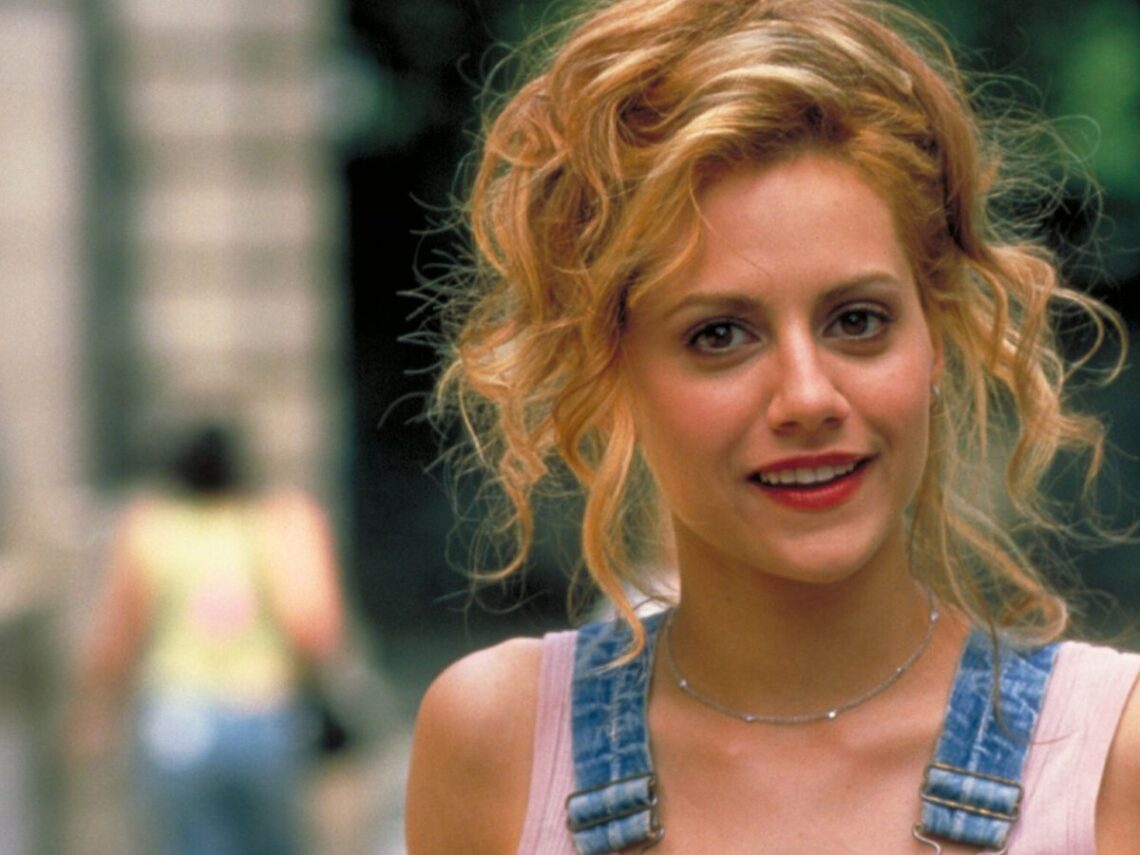
Let’s just say it once and for all: the world did not appreciate Uptown Girls enough when it came out. But now, like most good things that got brushed off in the 2000s, it is having its moment on Netflix as it ranks at number ten on the Top 10 chart. Brittany Murphy is finally back on everyone’s radar, and it’s about time.
This film was from the time when she was in her “It girl” era. The iconic oversized sunglasses, the dresses, the ability to cry and dance and fall apart without flinching… classic Brittany.
And Uptown Girls, it was never in the race to be a perfect film. It’s very dramatic. But it’s magnetic in that early-2000s way, where the emotions.
Murphy plays Molly Gunn, the daughter of a dead rock star who is coasting through life like it’s one long afterparty. Her money is running out, her apartment’s a museum of impulse buys, and her idea of structure is remembering when the dry cleaner closes. Then comes Ray, Dakota Fanning, nine years old and already judging everyone in the room. She is a tiny adult in a child’s body who is allergic to mess and carried hand sanitiser before it was even a thing.
The premise sounds like a setup for hijinks, but what it actually delivers is something sadder: two people learning how to be kids again, just from opposite directions. Molly needs to grow up. Ray needs to remember what being a kid even feels like. And instead of preaching that lesson, the movie lets them crash into it. Sometimes literally.
What keeps it alive, even twenty years later, is how committed Brittany Murphy is to Molly’s spirals. She doesn’t just play a mess; she becomes the kind of mess you can’t stop watching. At one point, you are worried for her. It’s never graceful, but that’s the point. She is not there to be aspirational. She is there to remind you that breakdowns don’t always look cinematic.
And then there’s Dakota Fanning, who shows up like a tiny CEO and is the so-called “adult” in the film. Ray isn’t cute; she is cold. And controlling. She is the kind of kid who would fire her babysitter for being inefficient, and she does. But that’s what makes the dynamic work. The movie doesn’t soften her edges. It lets her be harsh, and it lets Molly be ridiculous, and somewhere in that middle space, they both start to thaw.
But the direction is a little uneven. There are moments that feel like they came from a completely different movie, like random montages and emotional scenes that get cut off just when they’re about to land. It feels like the director, Boaz Yakin, was having a hard time deciding on one tone. You can feel the movie wanting to be funny and poignant at the same time, and not always managing both.
Still, that’s a part about the way it holds its imperfections so openly. It doesn’t hide behind quippy lines or a perfect ending. It lets things stay awkward. Grief doesn’t get fixed. Parenting doesn’t get solved. And when the credits roll, you don’t feel closure so much as release, like both of them finally took a breath they’d been holding since the first scene.
Uptown Girls wasn’t built for awards. But it’s full of performances you remember. If it’s trending now, it’s not just nostalgia. It’s recognition. People are finally watching it with the eyes they didn’t have back then.