


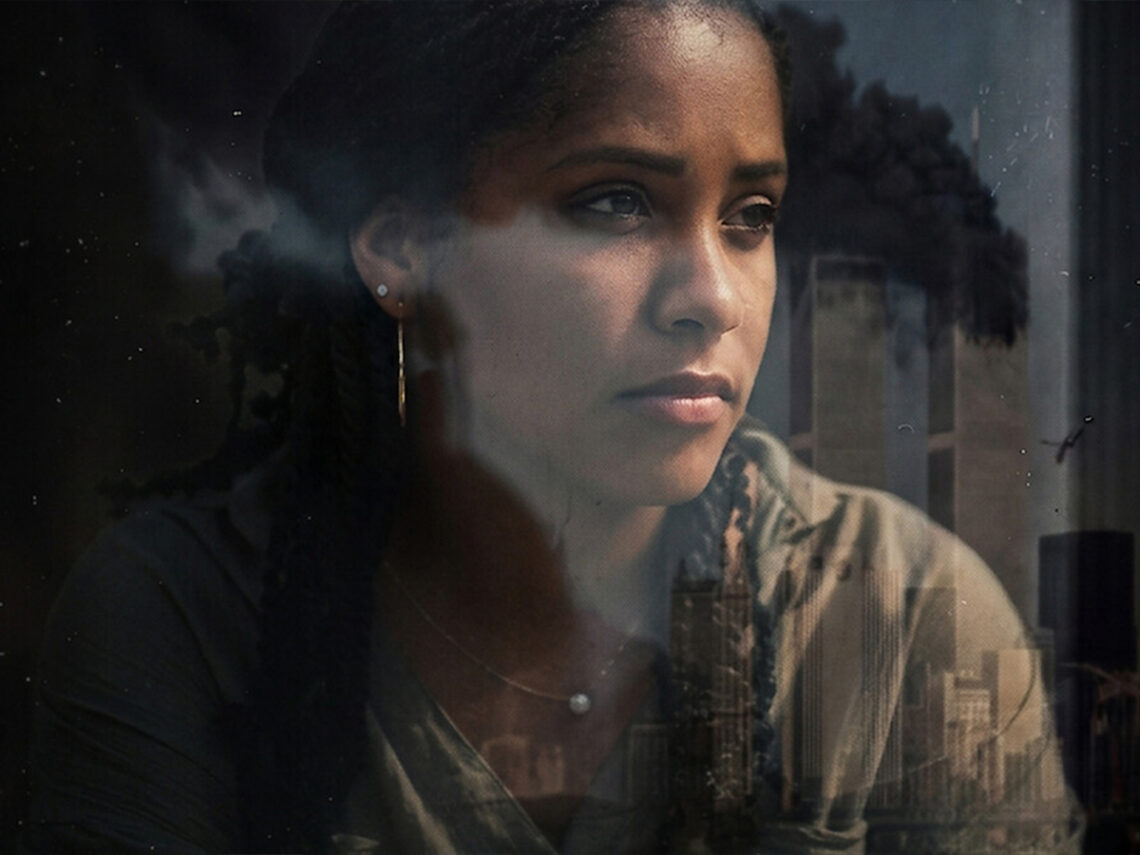
‘Turning Point: Generation 9/11’: The haunting 9/11 docuseries climbing the Netflix charts
It’s still hard to believe that it has been twenty-five years since an event to remain this immediate, this fresh in your memories, and yet 9/11 has never receded into the distance we like to call history. Every single form of media has covered it, from books to cinema to documentaries, and from every conceivable angle, and yet Netflix decided to give it another chance.
But don’t worry, this one is not the usual clip-stitching of news and interviews of the survivors or families we get. Brian Knappenberger has brought it with a new angle and a new generation – the one that inherited the aftermath rather than the event.
Turning Point: Generation 9/11 was released on Netflix near the 25th anniversary of the dreadful event and drew 5.2 million views.
And, to be fair, September 11th has hardly been neglected on screen. Before Turning Point, we had United 93, which placed viewers inside the doomed flight, and World Trade Center dramatised the rescue effort. Knappenberger himself spent five episodes on that wider history in 2021. So another straight retelling? Come on, at some point, you are flogging a dead horse.
So he shifted the lens, and there it is, the beat of the documentary. Rather than centring the people who watched the towers fall, Knappenberger turns to those who were children at the time, or so young that their memories are stitched together from footage and family recollection.
These are not witnesses recounting what they saw but the kids who are now adults trying to articulate what one morning did to the next quarter-century of their lives. That is a far more elusive inheritance and a far harder one to put into words.
Take one of the kids, Michael Smoak. He was five years old on 9/11; twenty years later, he was a Marine standing at Kabul’s Abbey Gate during the U.S. withdrawal, deciding who could get through and who couldn’t. He grew up in the shadow of one historic tragedy, only to find himself standing inside the final chapter of the war that came from it. What a cruel circle to close!
And then there’s Laurel Homer. Her father, LeRoy Homer Jr., was the first officer on United Flight 93, so her private grief became part of a tragedy the whole world felt entitled to question and debate over and over. But don’t worry, the film knows when to hold back here, and thank God it does. Losing a parent is hard enough, with strangers peeping into your grief making it harder.
Something notable about this Netflix documentary is that Knappenberger doesn’t keep the story inside America. He speaks to young Afghans who talk about lives shaped by choices made an ocean away, while Muslim Americans remember the suspicion that followed them after the attacks. That’s how you know that history doesn’t stay put. It travels across borders and through generations.
Now, fitting twenty-five years of war, grief and fallout into 96 minutes was never going to be easy. At times, the film carries too much, but when it stops explaining history and starts listening to the people who lived through it, that’s when it truly becomes more than just another 9/11 documentary. We know the date, but Generation 9/11 is about what came after.