


What happened at Cornell? The disturbing true-story behind Netflix’s ‘Instadocs: Jane Doe v. Cornell’
Cornell’s got an Ivy League reputation most universities would give their right arm for, but Netflix’s Instadocs: Jane Doe v. Cornell has brought up a controversy that no amount of prestige can sweep under the carpet. And if that hasn’t caught your attention yet, you’ll want to pay attention to what happened after a former student reported an alleged sexual assault, because the university’s handling of her complaint has become a contentious affair.
It all goes back to October 2024, when a 20-year-old Cornell student visited the Chi Phi fraternity house in Ithaca, New York. According to her lawsuit, members of the fraternity pressured her into taking ketamine and drinking alcohol before she was sexually assaulted while incapacitated. Just when you think the world can’t get worse for women, something like this happens.
Seven men were named in the complaint, and all have denied it. Of course they have! Sure, those are some harrowing allegations, and the legal dispute around them has made the case even worse… But what happened after she came forward is when we see the problem. Jane Doe reported the alleged assault to campus police weeks after the incident, yet the criminal investigation ended without anyone facing charges.
Cornell, on the other hand, conducted its own disciplinary proceedings and expelled two students. Now, those are two different processes with different standards of proof, but you can see why the contrasting outcomes have prompted questions about how her allegations were investigated and what led to such different decisions.
How did Cornell handle Jane Doe’s allegations?
Seriously, Cornell has got some explaining to do here, because what happened after Jane Doe came forward has raised a whole lot of questions. The university launched a Title IX investigation, expelled two students, suspended another two and shut down the Chi Phi fraternity chapter. Two others were found not responsible for sexual misconduct, while one had graduated before sanctions could be imposed.
Now Tompkins County District Attorney Matthew Van Houten said the statement prosecutors received made no mention of the alleged drugging or gang rape that Jane Doe later described in her lawsuit. But in a longer interview with campus police, she had said she was certain she’d been raped. It’s crazy how such an important detail became a point of dispute. Cornell says it followed its procedures, and university investigations work differently from criminal cases, but questions remain about what information made it to prosecutors.
Then came September 2026, and Jane Doe filed a civil lawsuit against seven men, Cornell and other defendants. Campus protests followed, and the accused continued to deny wrongdoing.
Then came New York Governor Kathy Hochul, who appointed Attorney General Letitia James as special prosecutor after the criminal investigation reopened, while Cornell commissioned former Deputy Attorney General Sally Yates to review its handling of sexual assault complaints.
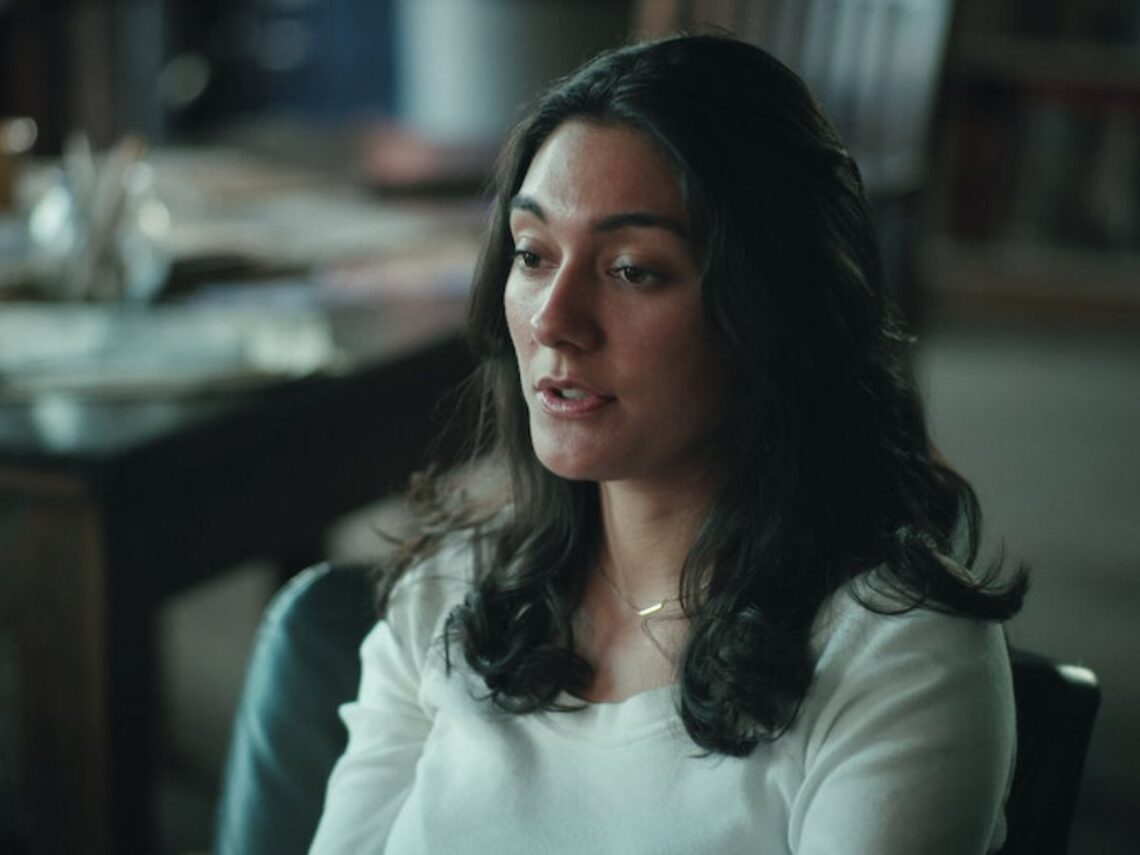
And now Netflix has entered the chat with its latest Instadocs episode. Released on October 29th, the 36-minute Instadocs: Jane Doe v. Cornell features journalists from The Cornell Daily Sun, Jane Doe’s attorney Thomas Giuffra and Governor Hochul discussing the controversy.
The allegations remain disputed, and the renewed criminal proceedings haven’t reached a conclusion. But one question still remains the same: when students report something this serious, can they trust their university to handle it?