


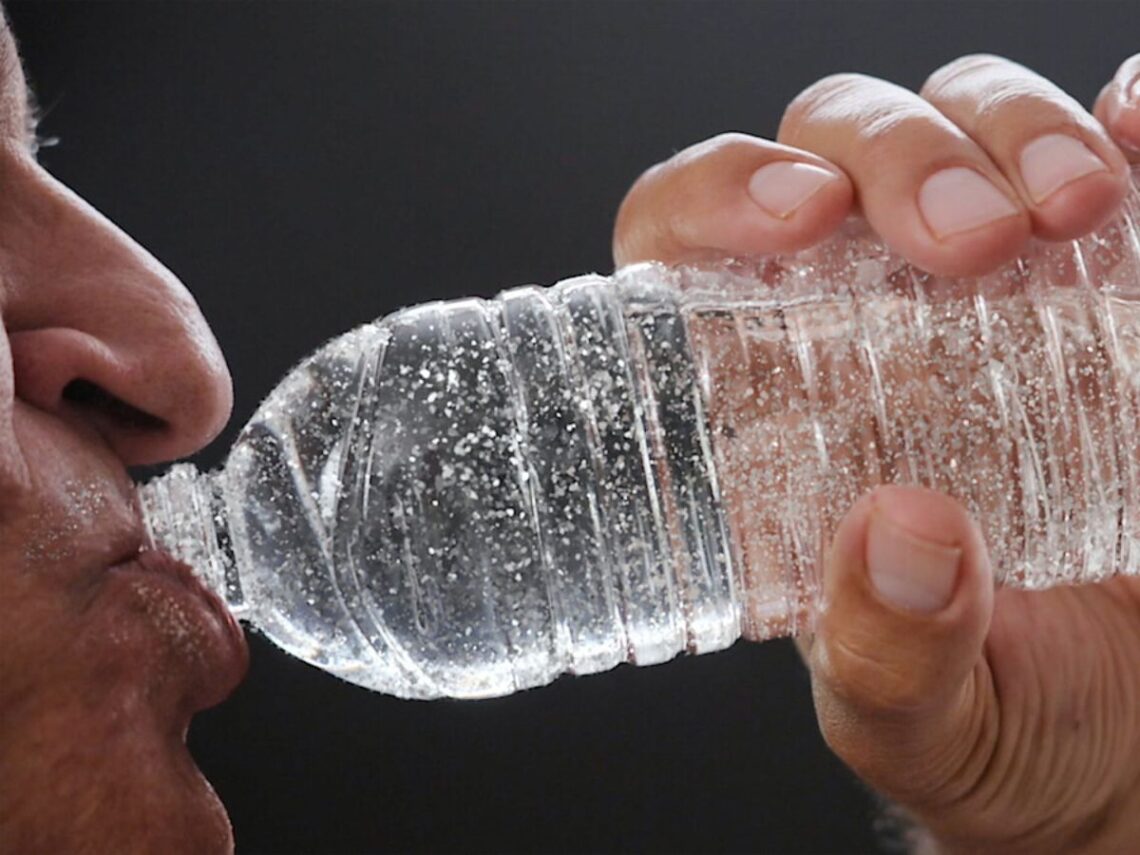
‘The Plastic Detox’: Netflix announces a new documentary on microplastics
If you are breathing, this announcement is for you. So please stop you mid-scroll, mid-sip, mid-whatever you are doing right now. Netflix just revealed The Plastic Detox, a documentary digging into microplastics and the chemicals tied to them, and the timing could not feel more urgent.
This is not a distant environmental issue floating somewhere in the ocean. This is inside your kitchen drawer, your wardrobe, your face wash, your mattress, your food container, and your receipts. It is in your breath, your bloodstream, your routine. So when a documentary steps in and tells you the truth about it, you pay attention because ignorance stopped being comfortable a long time ago.
The film focuses on six couples facing fertility challenges that come without clear explanations, so the documentary treats their stories as a lens for a much larger crisis. These aren’t abstract case studies. These are everyday adults doing everything right by the book, yet their bodies carry chemical burdens they never signed up for.
You watch them strip plastic out of their homes piece by piece, so each change becomes a tiny rebellion against a system that normalised these exposures without asking ANYBODY’s permission. It is highly disturbing because nothing about their lives looks extreme. They are regular people living the way most of us live, which means their problem could very easily be your problem too.
The documentary also brings in researchers like Shanna H. Swan, whose work has been ringing alarms for years. She cuts through the noise with data on hormone-disrupting chemicals that influence fertility, metabolism, organ development, and long-term health in ways we still do not fully grasp. The most jarring part? These chemicals do not just wait outside your body. They travel through receipts, packaging, clothing fibres, toys, cosmetics, furniture… even dust on your shelves.
Then the documentary shows you the communities resisting petrochemical plants creeping into their neighbourhoods, so the fight becomes both personal and political. You see designers trying to rebuild fashion without toxic dyes and fibres, so innovation becomes an act of survival, not a trend. Every storyline pushes you to recognise that this crisis was not inevitable. It was engineered through convenience and profit. Scary times we live in.
By the time the couples return to review their health markers after three months, the message feels painfully clear. Change is possible, yet the burden should never have been placed on individuals in the first place. Their progress feels hopeful, but the hope comes with a sting because you can see how much effort it takes to undo something they never chose.
So when Netflix says this documentary arrives on March 16, take that date seriously. You live in a world filled with plastic fragments too small to see yet powerful enough to shift the course of human health, so pretending this is not your concern is no longer an option. Don’t just watch the film and absorb the information. It’s time to question your habits, question the products you trust, and question the systems that put these chemicals in your home without warning. You do not need panic. You need awareness and clarity, and this doc will give you exactly that.