


‘The New Stanford Prison Experiment’ ending explained: Did the prisoners finally break the system?
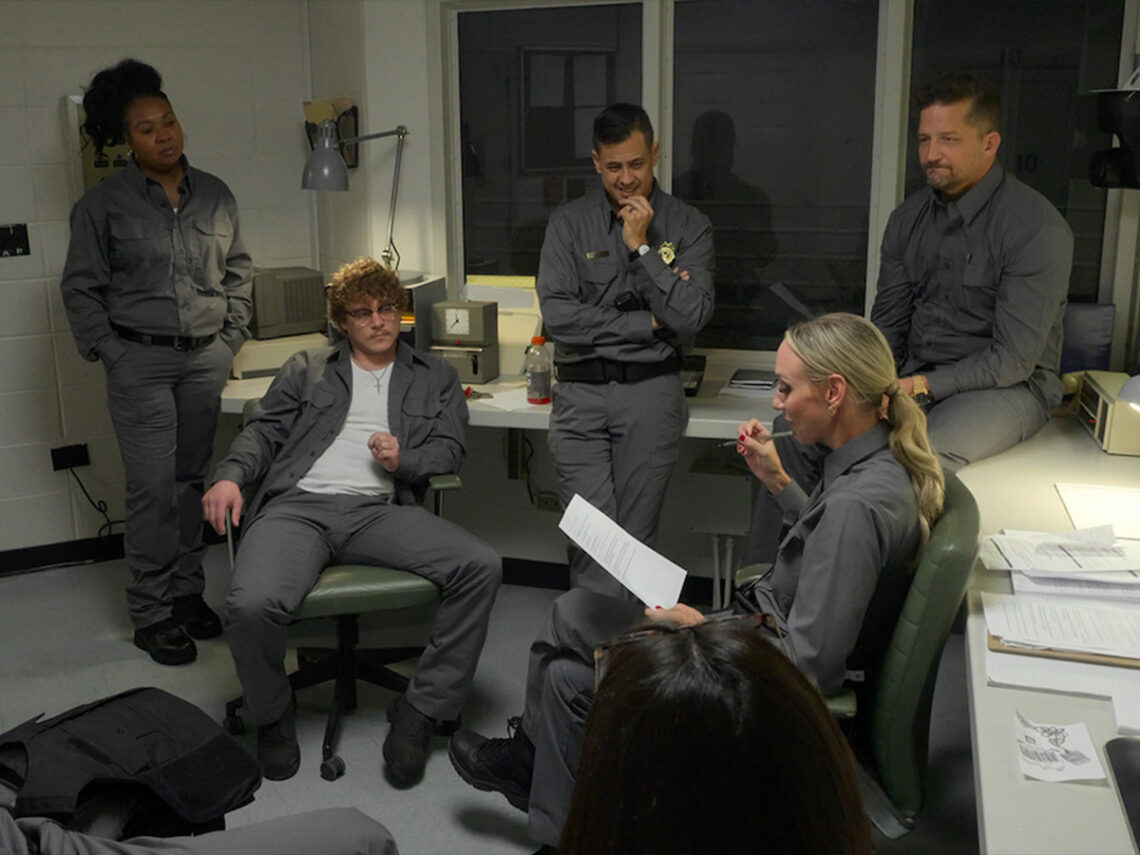
Netflix, as usual, has taken its experimental guns out and brought us a brand new show called The New Stanford Prison Experiment, which turns into a right old mess when the guards start throwing orders and the prisoners get fed up with being bossed about.
But, but, but, the real madness starts off in the sixth episode of the show when the guards are sent packing and the prisoners suddenly haven’t got a clue what to do with their freedom.
The six-part series puts 30 volunteers inside a prison for 14 days, with some playing guards and the others acting as prisoners. It’s inspired by the infamous 1971 Stanford Prison Experiment, which was called off after just six days because of serious ethical concerns, and judging by how things take place here, giving ordinary blokes a bit of authority is still enough to, well, start a kerfuffle.
There’s plenty of arguing throughout the experiment, and even swapping the guards and prisoners around doesn’t mend things. But the finale takes a different turn when the producers decide to see what happens without anyone calling the shots.
Why did the guards get sent home?
Things took a mad turn when, with four days left, the producers decided to send the guards home and let the prisoners run the place themselves. They leave them with the keys and enough food to last until the experiment ends, so the lads can make their own rules for a change.
But some of the prisoners keep following their old bedtimes and locking themselves in their cells, even though nobody’s making them do it.
Chris Lee reckons they should stick to some rules and see the experiment through, but the others have had enough of the whole thing. As far as they’re concerned, there was no point carrying on when the guards have gone home and nobody is keeping them there.
And that’s where the trouble began, because Chris wasn’t keen on calling it quits.
Why did Chris Lee refuse to leave?
Jake suggests everyone use the safe word, “pineapple”, to end the experiment together, which isn’t exactly the most intimidating battle cry you’ll ever hear, but it’ll do the job.
Chris, however, didn’t have any of it. He signed up for 14 days, and he was determined to see them through, even if everyone else is desperate to get out. You’ve got to admire the commitment, but man, the man was acting like leaving a television experiment early would be some massive personal failure.
The others didn’t want to abandon him, though, so they’re stuck trying to convince someone who’s digging his heels in. And with Chris refusing to budge, Jake’s plan looks like it’s going straight south.
How did the new Stanford Prison Experiment end?
Sonny eventually comes up with a different approach. Rather than shouting the safe word, he suggests the prisoners make their own statement: “We have the power.”
And kudos to him, because it actually works. Chris finally changes his mind, and the prisoners link arms. After that, everyone started chanting those words together. Shortly afterwards, an announcement comes over the speakers confirming that the experiment is finished.
That’s it. They’re free. After spending days arguing over who’s in charge, they have finally managed to agree on something without needing a guard to tell them what to do. Of course, this doesn’t mean people would behave exactly the same way in a real prison. It’s still a controlled television experiment, and there’s only so much you can take from it.
But the ending makes one thing pretty clear: the prisoners had become so used to following rules that they struggled to recognise when those rules stopped applying.
And Chris changing his mind is what makes the finale interesting, because the man who was most determined to stick it out eventually agrees to leave with everyone else. Turns out, having a bit of power means precious little until you actually decide to use it.