


The five best movies to watch on Netflix this weekend
Netflix hides its most interesting films in plain sight, and there is a reason for that. Not because they are obscure, but because they do not announce themselves loudly. The five movies here belong to that space. They are not built to impress quickly. They are built to stay with you.
Each title here is rooted in a very specific moment in American and European indie cinema, mostly circling the late 90s and early 2000s. That era cared less about polish and more about discomfort. Characters were allowed to be selfish, confused, stubborn, or emotionally blocked without being redeemed neatly by the final scene.
And the connective tissue across these films is not genre; it is perspective. Writers struggling with their own heads. Families breaking apart through conversation rather than confrontation. Basically anything but comfort.
So if you are looking for a mood booster recommendation, this list is not it. It is a recommendation for when you want Netflix to feel thoughtful. Five films that respect your attention and do not rush to earn your approval.
The five best movies to watch on Netflix this weekend
Adaptation (Spike Jonze, 2002)
You start Adaptation thinking you are watching a film about a screenwriter struggling with a script, and then it immediately starts driving you in a totally different direction. Charlie Kaufman writes himself into the story, then splits himself into two versions, and before you know it, the movie is arguing with itself in real time. Nicolas Cage plays both brothers, one paralysed by doubt and the other overflowing with misplaced confidence, and the tension between them becomes the engine of the film.
Adaptation sticks with you because it openly exposes the fear behind creativity. The structure keeps bending, the story keeps commenting on its own choices, and yet it never turns into a gimmick. Under all the meta layers, this is still about insecurity and the exhausting need for validation.
The Squid and the Whale (Noah Baumbach, 2005)
The Squid and the Whale drops you into a Brooklyn family right after a divorce, where two writer parents split up and immediately turn daily life into a competition that nobody else signed up for, least of all their kids. The sons keep moving between houses, opinions, bitterness, adult drama, you name it, while dinner conversations start stinging. Imagine your precious school moments getting warped, and you slowly realise the kids are absorbing behaviour they should never have to carry this early. Man, divorce is scary!
Nothing resets here, nor does anybody step in, and that is what hurts the most when you think from the perspective of the children. The parents care more about being right than being present, the kids start copying lines and attitudes without understanding what they mean, and you can literally watch childhood bend under pressure. Sounds a bit harsh, but what’s a great cinema if it doesn’t make you uncomfortable?
Good Night, and Good Luck (George Clooney, 2005)
It’s time to drop yourself inside a TV newsroom where everyone is choosing words the way people choose sides: carefully, while being aware of the fact that one wrong sentence could blow up a career. The film follows journalist Edward R Murrow and his battle with the mounting pressure of whether he should challenge Senator Joseph McCarthy on air, with sponsors watching closely. Along come hesitating colleagues and networks protecting themselves.
Most of the movie is about preparation rather than confrontation. You watch scripts get rewritten, and fear shapes every decision. Speaking out never arrives as a triumphant moment. Silence never feels neutral either. The film leaves you sitting with the cost of choosing truth in a space built to reward caution.
The Science of Sleep (Michel Gondry, 2006)
That heavy realism does not stick around for long, though, because the next pick slides straight out of reality and into a headspace where emotions get messier. Living inside Stéphane’s head looks fun at first, then slowly turns exhausting. He moves back to Paris, tries to function at work, tries to connect with people, yet keeps drifting into imagination whenever real emotions get too close. This blurs the idea of what is happening with what he wishes would happen.
Follows a relationship that starts forming with a neighbour, yet honesty keeps missing its moment. Conversations arrive late, and you see fantasy replacing reality. But this is not a romance; it’s about destiny. It is about emotional avoidance and slipping connection away because showing up feels harder than escaping.
Half Nelson (Ryan Fleck, 2006)
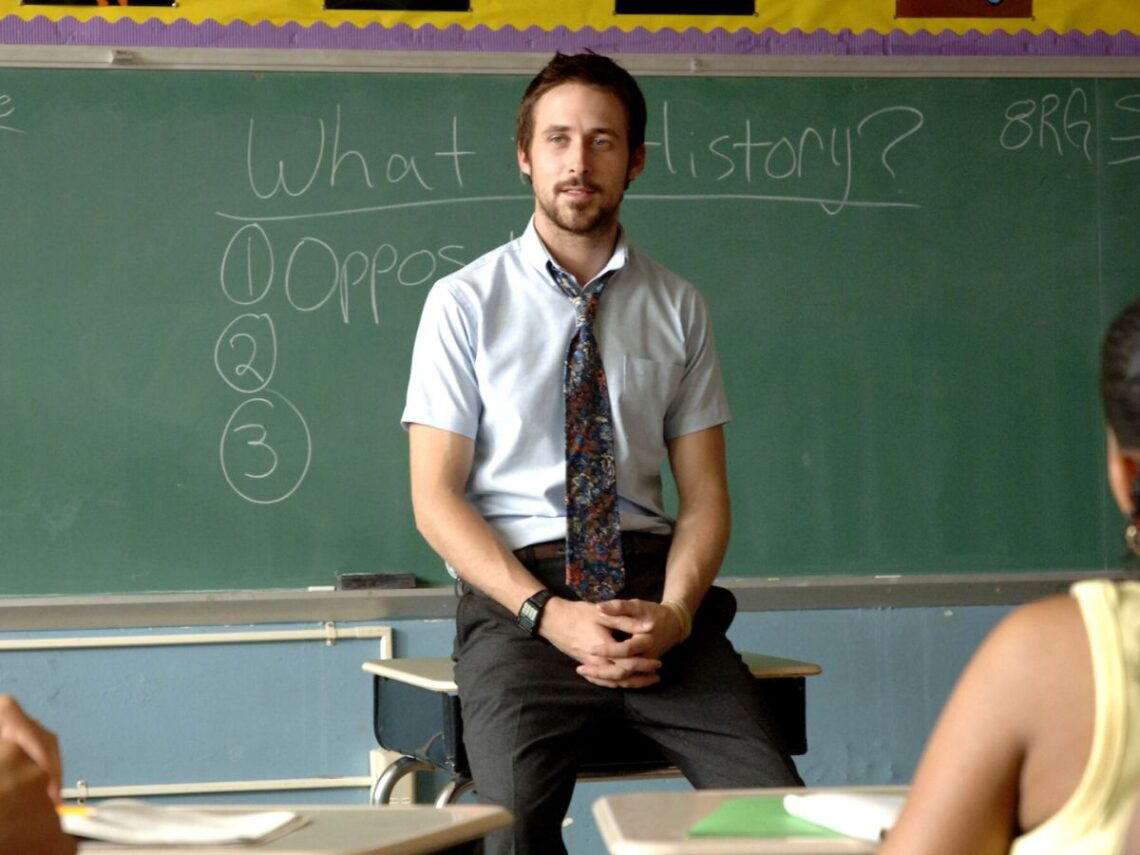
After spending time inside imagination and avoidance, the list comes back down to the ground with a story that stays painfully rooted in everyday consequences. Teaching history gives a man a sense of purpose during the day, while addiction takes over everything else once night hits. The film follows a middle-school teacher trying to hold both lives apart until a student discovers the truth, forcing their worlds to collide.
What forms between them never feel clean. Slowly the authority he had over them starts fading, and responsibilities get unclear. He wants to help without stability. She understands more than she should at her age. No redemption arc arrives, and the film ends by leaving that imbalance unresolved, letting care exist beside failure.