


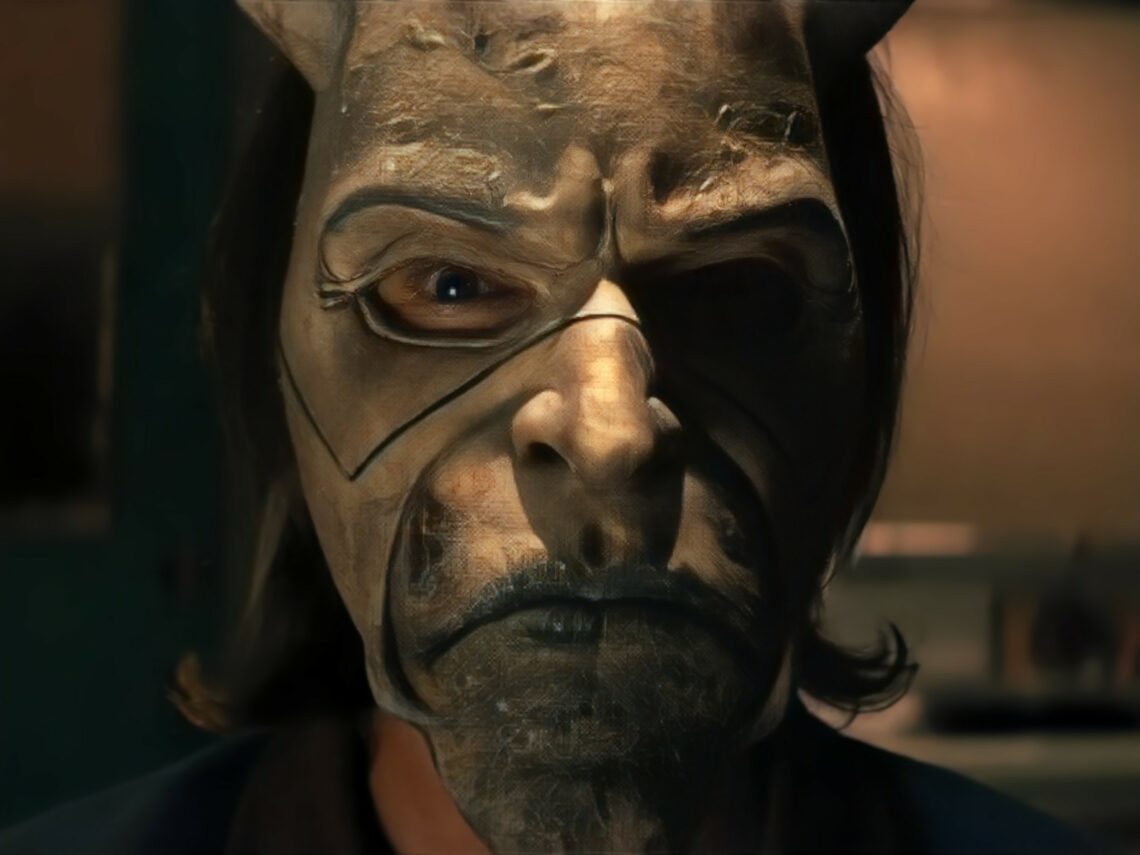
‘The Black Phone’: The Ethan Hawke horror hit is finally on Netflix
So The Black Phone has finally landed on Netflix after about four years of waiting, and if you have not watched it yet, this is a good moment to step into a sharp yet uncomplicated story. This horror film takes you to a Colorado suburb in the late seventies, a place that looks peaceful at first glance, but then follows a wave of kidnappings that shocks everyone.
Then follow hundreds of posters along with obvious rumours spread. People move with caution, and along with them, you can also feel the danger sitting close enough.
Finney Blake, played by Mason Thames, becomes the next kid taken by a masked figure known as the Grabber. The moment he lands in that basement, The Black Phone tightens. The room has almost nothing in it except for a mattress and a black rotary phone on the wall. The Grabber claims it does not work, but it rings anyway. Each call comes from kids who met the same fate before him, and they give Finney short hints that help him figure out what to try next.
Those calls push the story forward one small clue at a time. Can you imagine a kidnapping concept with no extravagant yelling? All you get is just a simple idea that grows under pressure. Finney studies the room, tests what he can reach, and uses the details passed to him.
Outside the basement, the story follows Gwen, played by Madeleine McGraw, who moves through the case with stubborn focus, which is absolutely required. She has dreams that echo parts of the kidnappings, and she refuses to let adults dismiss her. She pushes and follows any lead she can catch. Her scenes give the film motion while Finney works from the inside. Both threads stay steady and meet at the right moment, and that’s what you expect from a good kidnapping film, now don’t you?
Now, let us talk about Ethan Hawke. Spoiler alert: he is the Grabber. But it is crucial to talk about his performance as the Grabber because he might be one of the most subtle kidnappers in the history of this genre. He uses posture, voice, and that shifting mask to build tension. Every time he enters the room, the air changes. It is the sort of role that sticks because it relies on control rather than excess.
Director Scott Derrickson keeps the film tight by letting the basement carry most of the pressure as if it’s not just a background but a character in itself. The story moves through small actions that matter. He avoids clutter and lets simple details push the plot.
As the film reaches its final stretch, both Finney and Gwen close in on the truth from different sides. The ending works because it grows from everything laid out earlier, and you don’t see any sudden shortcuts or loopholes.
With The Black Phone now on Netflix, you get a horror story that moves with purpose and will actually keep you hooked till the end. You get a villain shaped through control and a survivor who learns under pressure. So without wasting a minute, make this your next watch.