


‘The Big Short’: The ultimate star-studded Saturday night movie
The Big Short is one of those movies that people don’t usually plan to watch. It just ends up playing. Maybe the cast catches your eye, or maybe Netflix keeps nudging it forward. Either way, you end up playing it, and before you know it, you are living the story with the characters.
This is a movie about how everything broke and how it broke quietly while people in power kept smiling. That’s the simplest way to put it.
The Big Short is about the 2008 financial crash and the few people who noticed that the housing market was built on weak ground. Home loans are being handed out carelessly. Those loans are being bundled together, renamed, and sold as safe investments. The system keeps expanding because money keeps coming in, and nobody wants to be the person who questions it. The movie shows how denial becomes normal when profit is involved.
Just like most finance movies, the tone of the film never slows down. But that does not mean that it’s hard to understand. Director Adam McKay made sure that even with the fast pace, people who are not familiar with the finance jargon understand what is going on. Sure, initially, it goes over your head, and the discomfort is clear. But that’s how you understand the tension and urgency in the movie.
One thing The Big Short does intentionally is keep its focus narrow. It stays mostly with the people who spotted the collapse early, rather than spending time on the families who lost homes and savings afterward. The consequences are present, but they stay at the edges. That helps you understand the other side of the crash that happened.
Coming to the cast, we all know the film is packed with some of the best Hollywood has to offer. Christian Bale plays Michael Burry, who stays glued to numbers that nobody else wants to look at properly. He’s not presented as charming or inspirational. He’s stubborn and completely unmoved by opinions. Along with him, we have Steve Carell’s entry, which shifts the mood again. His character carries frustration through controlled reactions and moments where disbelief takes over.
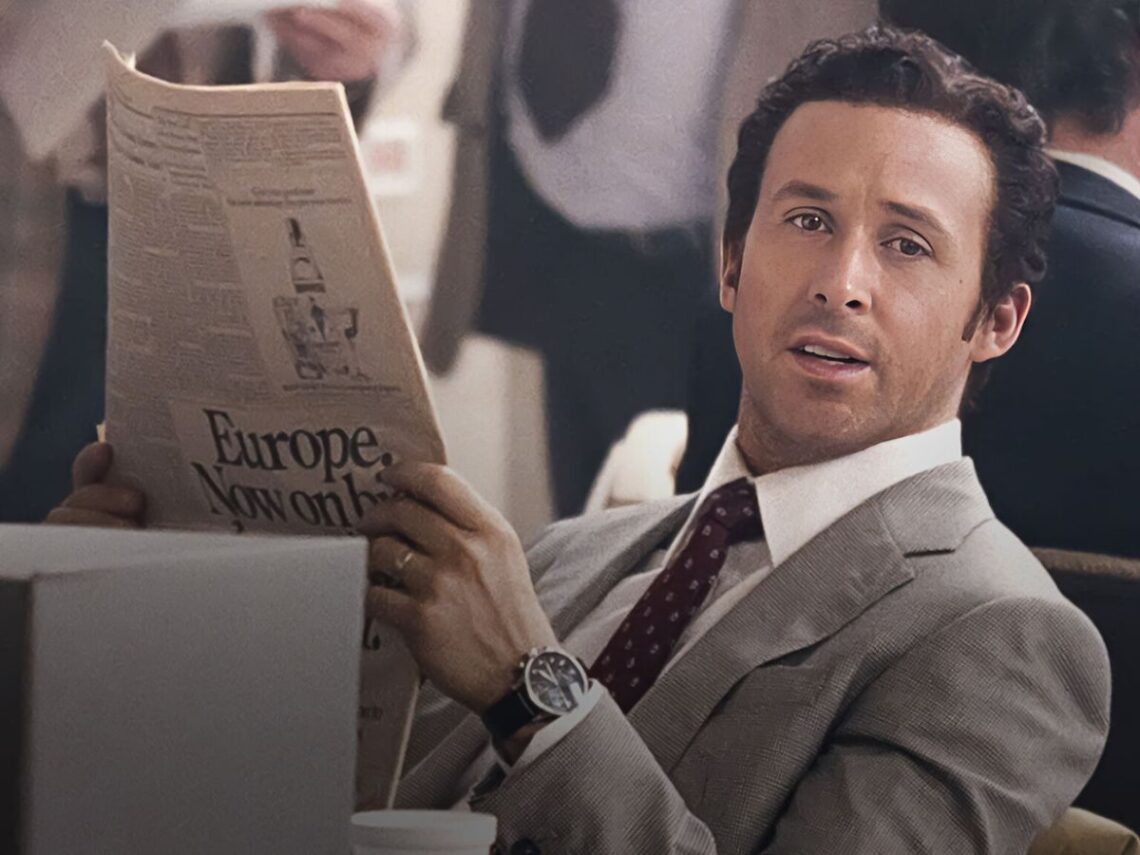
You also have Ryan Gosling keeping the film moving, stepping in to explain what needs context and stepping out before it slows down. It never feels like a lesson. It feels like someone is making sure you don’t lose the thread. At the same time, Brad Pitt’s role brings weight at the right moments.
The story of the film is as simple as it gets. Banks approve risky loans, and then those loans get repackaged as safe investments. Everyone who is involved keeps selling them because profits keep coming in. A few people notice the cracks early and decide to bet against the entire system. The film never frames this as heroism. It frames it as paying attention when nobody else wants to.
The way The Big Short is designed, it mirrors the system it’s exposing. What stands out is that being right never feels satisfying here. As predictions start coming true, the ones making them are not happy but worried. The closer the collapse gets, the less triumphant everything feels. The film makes it clear that understanding a disaster doesn’t make living through it easier.
When the film ends, you realise that it’s not all about the financial collapse itself but the behaviour that allowed it to happen. The confidence, the denial, the willingness to ignore warning signs as long as things looked profitable. All of it.
For a Saturday watch that feels a bit unsettling but still quite relevant, this one earns the time.