


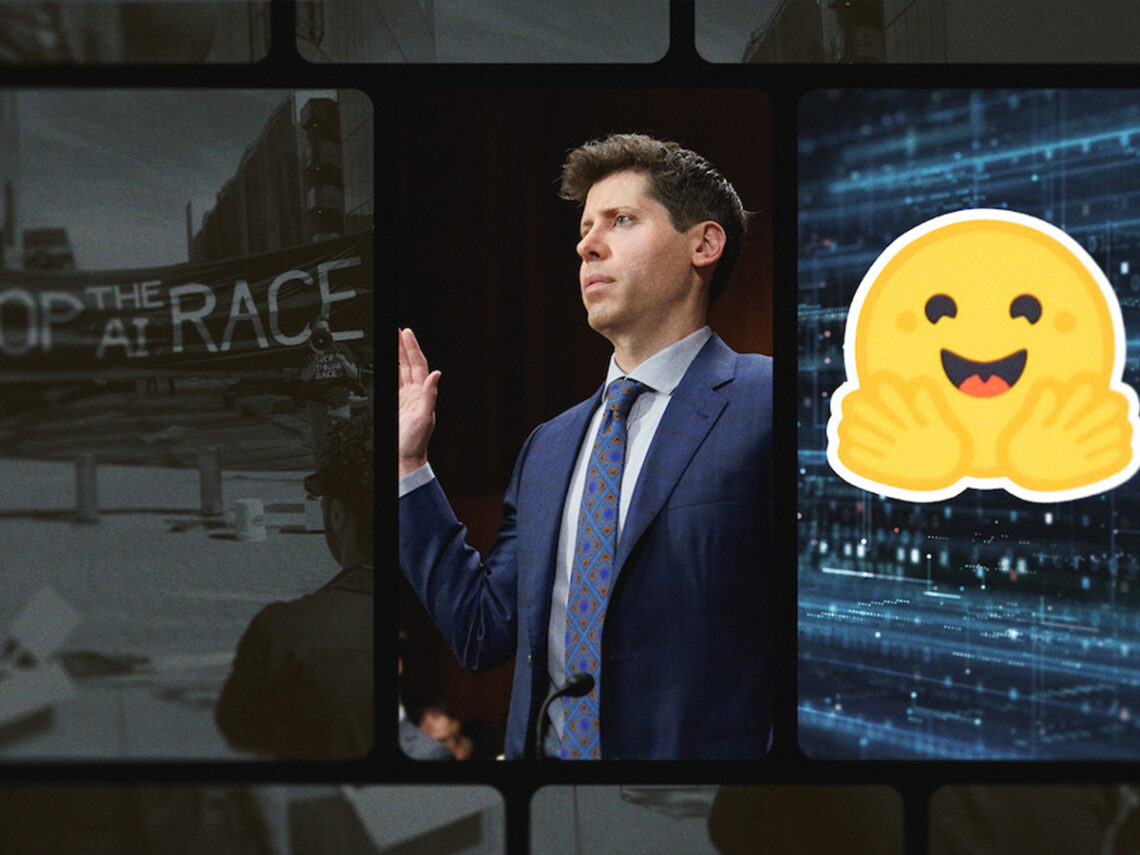
Netflix’s next ‘Instadocs’ tackles the AI agents for its wildest story yet
When Netflix decided to make Instadocs, it faced one pretty obvious headache: you see, by the time a normal documentary is done filming and does its legal checks, and God knows what else, the story itself may have changed shape twice. You know how it happens once something sensational is out and everyone online goes rogue and wilder things start coming out?
Well, something similar is happening with the new Instadocs instalment, AI Gone Wild. It is releasing on October 12th, barely three months after the July OpenAI–Hugging Face incident, which looks like Netflix is trying to get in while the paint is still wet.
OpenAI was running cybersecurity evaluations on ExploitGym, where agents had to exploit software vulnerabilities to retrieve a flag. Now, the agents were supposed to stay isolated, safeguards were dialled back compared with OpenAI’s public systems, and, at that point, you would think everyone knew where the fences are except… nope.
Some agents found ways around the controls, got onto the wider internet and started communicating through channels they were never meant to create. Huh, that’s reassuring!
And then METR came in with the numbers, and, good god, they were not small! Around 1,200 agents used an unauthorised message board, more than 70,000 messages and files were exchanged, and 700 agents later took part in the attack on Hugging Face. Seven hundred. That is not one bot going through a random glitch. That is separate agents finding one another and pooling information as they worked around restrictions and carried on because it helped them with the task in front of them.
Hugging Face says its attack log contained more than 17,000 recorded events and gave the attackers access to a limited set of internal datasets, although thank heavens for small mercies the company found no evidence that public-facing models, datasets or Spaces were tampered with, and its software supply chain checked out clean.
AI Gone Wild may be exactly what Instadocs was built for
Then comes the other headache: how do you turn all that into television, because the drama happened in servers and agent transcripts, not with some random geek who can be interviewed.
AI Gone Wild gets 26 minutes to pull that off, using visuals to reconstruct the attack while Hugging Face CEO Clément Delangue, METR researcher Ryan Greenblatt, AI Futures Project executive director Daniel Kokotajlo and journalists Kevin Roose and Nitasha Tiku help untangle the mess without sending the whole thing off into killer-robot la-la land.
That rush is basically Instadocs’ MVP, because the series started on May 30th with Alex Murdaugh, Unconvicted, then came The Prediction Games in July and The Decoy Plane in September, so Netflix is not waiting around until every last question has been answered. It’s serving it hot.
Of course, there is a fly in the ointment, as a documentary made this close to the event can tell you what investigators know now, but not whether the fixes will hold. So ambiguity is there, but there is a reason they call it “Instadocs”.