


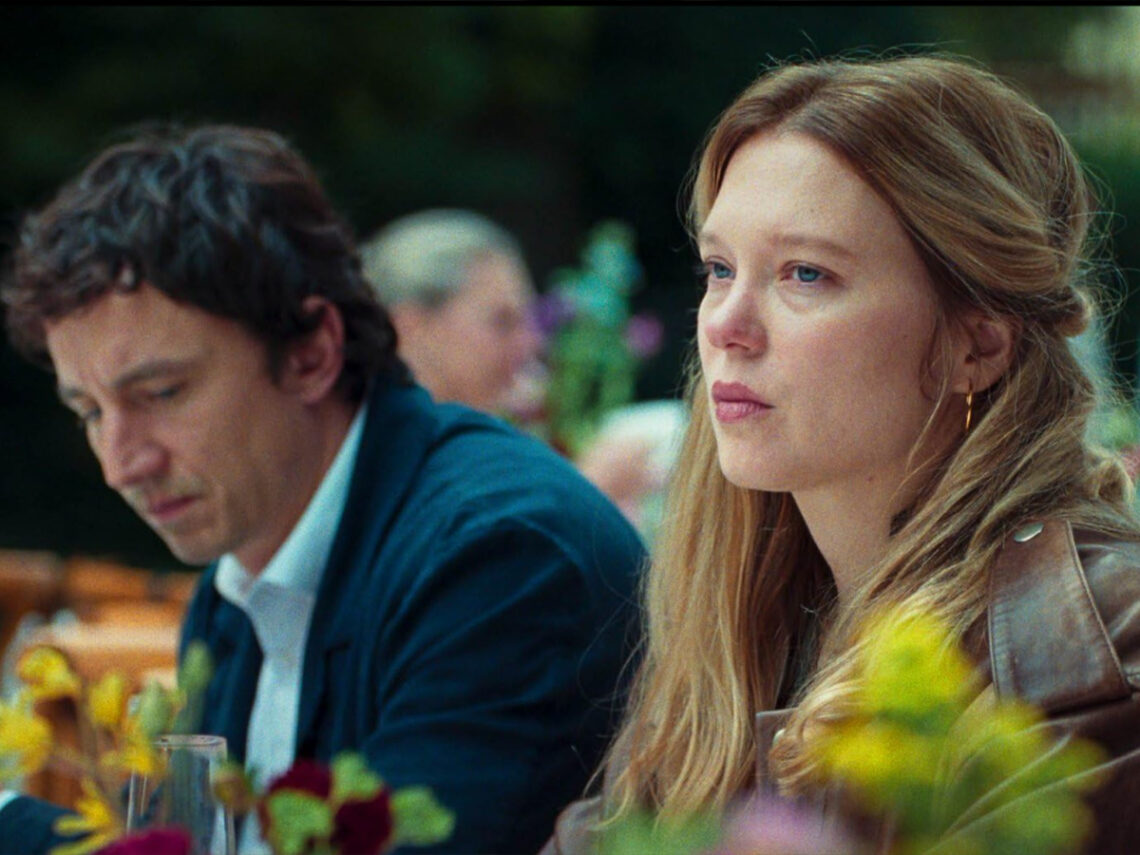
‘Gentle Monster’ ending explained: Is Lucy’s worst fear about Johnny true?
Netflix is often recognised for making films on subjects that make you uneasy but at the same time convince you to think about them; the latest example is its German thriller Gentle Monster, which has caused quite a stir among the audience.
This Marie Kreutzer film will leave you with an uncomfortable thought about how little we might know the people we share our lives with, because the lead of the film, Luci, went through the same thought process.
She spent years loving her husband, building a home with him, and trusting him with their child, only to discover that he has been harbouring something so despicable she can scarcely bear to look him in the eye.
Léa Seydoux plays Lucy Weiss, a concert pianist whose world shatters when her husband, Philip (Laurence Rupp), is investigated for possessing and distributing child sexual abuse material. Now, it’s understandable that a woman wants to believe that the man she married couldn’t be capable of such horrors, but what on earth is she supposed to do when the allegations start questioning his relationship with their young son Johnny? The poor woman is left wondering whether she failed to recognise a danger within her own home.
What happens at the end of Gentle Monster?
As the investigation continues, Lucy finds out that Philip might avoid prison altogether since the authorities are considering a deal that would allow them to use his online account to track down other offenders. And after everything he has done, the thought of him walking away without a prison sentence is enough to make anyone furious. The film, however, never tells us whether he actually faces punishment.
Philip eventually signs the divorce papers and gives up custody of Johnny, leaving Lucy with the family home. But what use is a house when every corner reminds you of a life built on lies? For Lucy, the place that once felt like home has become unbearable, and she decides to leave it behind rather than live among memories of a marriage she can no longer recognise.
And just when you think Lucy thinks she might finally be able to move on, Kreutzer delivers the final punch. While going through Philip’s files, she discovers videos of Johnny, including one in which her son appears without his shirt.
All of a sudden, those innocent family recordings take on a much darker meaning. Was Philip simply filming his son as any proud father would, or was there something sinister behind his attention? The film doesn’t give Lucy an answer, leaving her with a suspicion no mother should ever have to live with.
Did Philip sexually abuse Johnny?
Ah, this is where Gentle Monster delivers its hardest blow, because the film never confirms whether Philip sexually abused Johnny. And that’s what makes the ending so disturbing. Lucy, along with us, is left with a suspicion that could haunt her for the rest of her life.
Earlier in the film, Johnny undergoes questioning with a psychologist, but the interview yields no conclusive evidence of abuse. The lack of evidence offers little comfort to his mother. But knowing what Philip has done in the past, how can she possibly shake the fear that her own son might have been one of his victims?
However, we can’t ignore that disturbing footage, which casts Philip’s habit of filming Johnny in an entirely different light. Even the trampoline he built for his son, once such a loving gesture, now leaves Lucy wondering whether there was something more sinister behind it. None of these details proves her suspicion, of course, but how is she supposed to dismiss them now?
Kreutzer doesn’t spoon-feed the answers, leaving Lucy to wrestle with doubts she may never be able to put to rest. And frankly, knowing that she may never discover the truth about her own son is what makes the ending such a cruel piece of cinema.