


Five horrifying crime movies based on books to watch on Netflix
The crime shelf of Netflix has fingerprints from the library all over it, and please do not confuse that for a cute little metaphor. The real ones know that Netflix has an entire Movies Based on Books collection, where titles like Gone Girl and The Irishman lurk, waiting for viewers who like their crime stories bleak and unsparing.
And not just Netflix, but Hollywood has run this racket for generations, from The Maltese Falcon, adapted from Dashiell Hammett’s novel, to Mario Puzo’s The Godfather, which became one of cinema’s defining crime films, showing just how a strong crime novel can translate to the screen.
Oh, and don’t just think that Netflix loves crime fiction, as the platform has descended into nonfiction too, with The Good Nurse drawn from Charles Graeber’s account of serial killer Charles Cullen, while Lost Girls came out from Robert Kolker’s investigation.
So, which ones are actually worth watching? These are the five we’d put at the top of the queue, especially if you like your crime stories pitch-black.
Five horrifying crime movies based on books to watch on Netflix:
Before I Go to Sleep (Rowan Joffé, 2014)
Can you believe Before I Go to Sleep was SJ Watson’s debut novel, and the book was a bestseller before Hollywood got its hands on it? But the best part is the setup, which is a right old nightmare: Christine Lucas wakes every morning with no memory of her life, her home or Ben, who says he is her husband. Nicole Kidman plays Christine, and Colin Firth plays Ben, and as scraps of the past return, his version starts looking dodgy. Quite the conundrum… if the person filling in the blanks cannot be trusted, what do you believe?
But this crime thriller made a change which was relevant for the film: it swaps Christine’s written journal from Watson’s 2011 novel for a video diary, forcing her to watch warnings from a self she cannot remember. Watson got the idea after reading about a man who could no longer form memories. Chilling enough? Oh, we are not done, but don’t worry, no spoilers. Just know that the memory loss may be the least of Christine’s problems. Lovely!
1922 (Zak Hilditch, 2017)
Stephen King, the man who needs no introduction, took a Nebraska farm and a rotten idea and, well, here we go. 1922 follows Wilfred James (Thomas Jane), who is determined to hold on to his land after his wife, Arlette, decides she wants out. His solution? Murder. It might sound like a bit of an overreaction, but here comes the worst part: worse, he brings his teenage son into it, because apparently, murder needed to become a family problem.
The Netflix film is based on King’s novella from his 2010 collection Full Dark, No Stars. Wilfred tells the story through a confession, and you can feel the guilt closing in on him as everything starts to fall apart. Then come the rats. Oh, those bloody rats. The film does not need jump scares. Wilfred’s guilt and the rats are enough. If Before I Go to Sleep turns memory against you, 1922 does much the same with guilt, and it is a lot harder to escape.
The Postcard Killings (Danis Tanović, 2020)
The film starts with Jeffrey Dean Morgan, who plays New York detective Jacob Kanon, whose daughter and her husband are murdered on their honeymoon in Europe. Ah, so much for the romantic getaway. Jacob goes looking for answers and finds out they were not the only victims, and other young couples have been killed across Europe. It turns out postcards are part of the killer’s game. Sounds freaky, right? Thank god, it’s fiction.
From there, Jacob follows the postcards across Europe, chasing the people who killed his daughter and taking the investigation into his own hands. Europe still looks lovely, of course. The circumstances, less so. The film is based on James Patterson and Liza Marklund’s 2010 novel. The Postcard Killers, with Cush Jumbo playing journalist Dessie Lombard, who gets drawn into the case. Danis Tanović, director of the Oscar-winning No Man’s Land, is behind the camera here.
The Black Phone (Scott Derrickson, 2022)
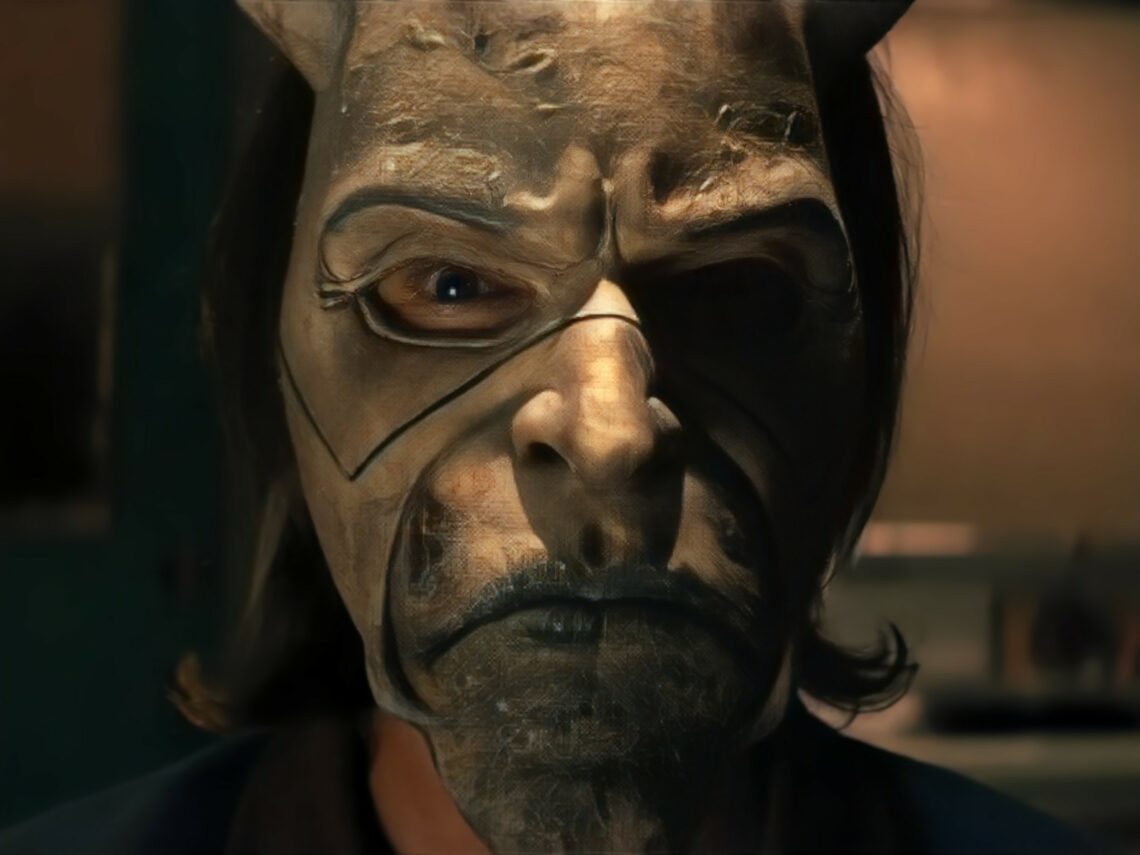
The Black Phone comes from a short story by Joe Hill, Stephen King’s son, so yes, we have families getting involved in this list. Mason Thames plays Finney, a 13-year-old abducted by the Grabber and locked inside a soundproof basement, where a disconnected rotary phone starts ringing. The callers? Children the Grabber has murdered. Sorry, come again? That is bad enough, but oh, we are not done, because those dead boys may be Finney’s only chance of getting out.
Finney uses the calls to work out what happened to the boys before him, but you’ll be amazed to find out the face behind The Grabber, in case it’s your first time. Hill’s original story was short, so director Scott Derrickson added material inspired by his own childhood in the 1970s. That gives the film its worn-down suburban setting and makes the basement feel like somewhere you would rather not enter, and that’s surprisingly not even the worst part, because once the phone rings, you are trapped there with Finney. Yeah, good luck.
The Pale Blue Eye (Scott Cooper, 2022)
West Point in 1830 doesn’t really sound like a place where you expect Edgar Allan Poe to show up, yet that is exactly where The Pale Blue Eye places him. The film starts with a cadet being found dead and his heart cut from his body. Yup, as graphic as you imagine. Then comes retired detective Augustus Landor, played by Christian Bale, to investigate this gruesome crime. Following him appears Harry Melling as a young Poe, still years away from becoming the writer we know, and with him, the whole case gets a very different flavour.
The best part is that Poe really did attend West Point, so Louis Bayard’s 2006 novel starts with a fact and builds its murder mystery around it. Landor is fictional, as are the killings, but Poe’s presence gives the story more to work with than the usual period detective plot. Melling makes him strange and doesn’t turn him into a caricature, which is half the reason why this film is one of the best Netflix hits to date. The other half is Mr Bale.