


Five biggest revelations from Netflix’s ‘The Trials of Karen Read’
The Karen Read case has caused a massive furore in Massachusetts, and if you’ve followed the proceedings, you’ll know that the controversy extends well beyond the courtroom. What began as an investigation into the death of Boston police officer John O’Keefe became a bitter dispute over conflicting evidence and whether his girlfriend, Karen Read, was responsible. Now, Netflix is revisiting it in its latest documentary, The Trials of Karen Read, featuring accounts from people who have been a part of this case.
O’Keefe was found unresponsive in the snow outside a house in Canton, Massachusetts, in January 2022, with prosecutors alleging that Read had struck him with her SUV following an argument and left him to die. Her defence presented a different account, maintaining that O’Keefe had been assaulted inside the property and that Read was being framed as part of a police cover-up.
The first trial ended with a hung jury in 2024, while the second concluded in June 2025 with Read acquitted of the charges concerning O’Keefe’s death, although she was convicted of driving under the influence.
Released on November 23rd, Netflix’s documentary features recordings of Read that haven’t been heard before, alongside interviews with jurors and people connected to O’Keefe. And while it doesn’t profess to have all the answers, it does shed light on some contentious aspects of the case. Here are five revelations you should know.
Five biggest revelations from Netflix’s The Trials of Karen Read
Karen Read’s previously unheard interview recordings
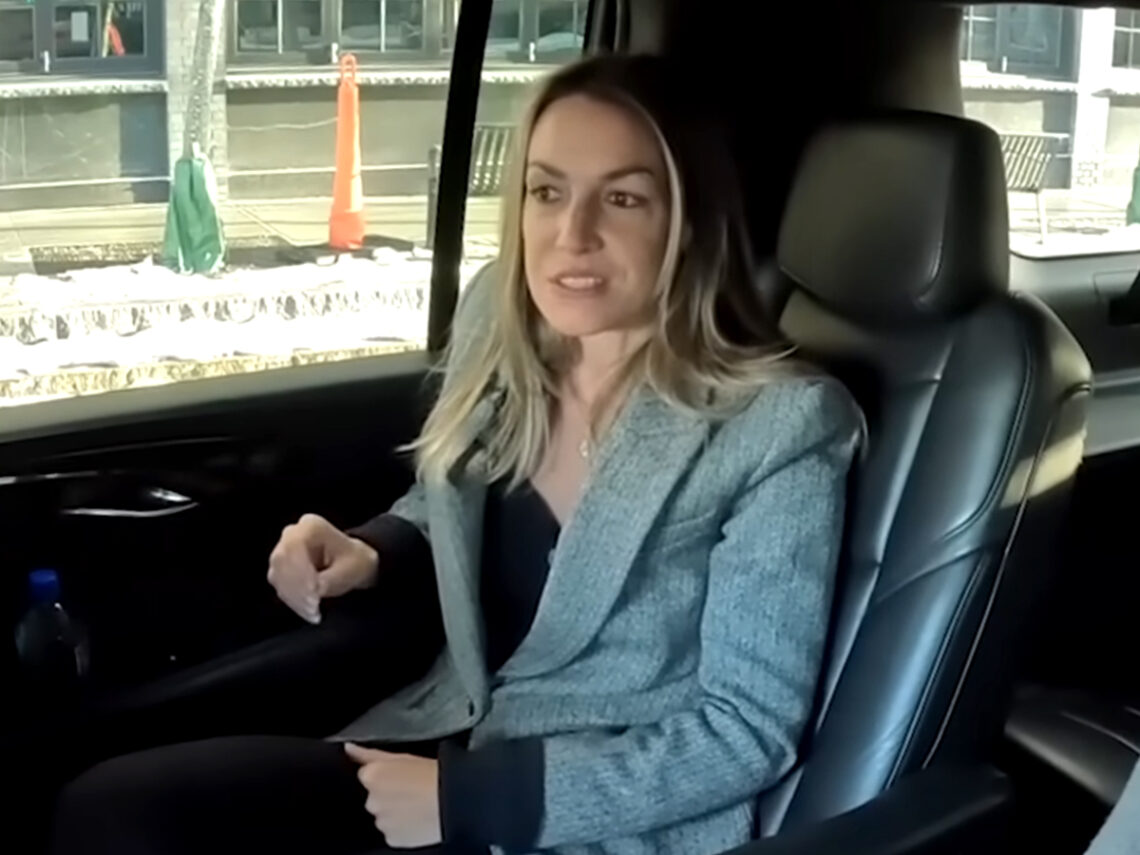
Although Read and her lawyers never agreed to be interviewed for the Netflix series, the filmmakers obtained recordings from her 2023 conversation with Boston magazine journalist Gretchen Voss. Portions of that interview had already been reported, but some of the audio had never been released publicly. In the documentary, Read recalls arriving at Brian Albert’s house with O’Keefe and wondering if they were welcome at the party.
According to Read, she remained in the car while O’Keefe went to check, but after waiting approximately ten minutes without seeing him return, she became frustrated and drove home. Her account is significant because what happened after O’Keefe left the vehicle remains disputed. The recordings allow viewers to hear Read’s account of that evening, though they don’t confirm what happened to O’Keefe after she claims to have left.
A juror admits she believed Karen Read probably killed O’Keefe
Perhaps one of the most surprising admissions in the documentary comes from Janet Jimenez, who served on the jury during Read’s second trial and reveals that she went into the proceedings leaning towards a guilty verdict after hearing reports that Read had allegedly admitted to hitting O’Keefe. What’s even more interesting is that the phone records and vehicle data presented during the trial played a part in shaping her opinion, and even after sitting through the trial and listening to the evidence, Jimenez still believed that Read had probably killed O’Keefe.
So, what stopped her from voting to convict Read if she believed she was responsible for his death? Well, as much as Jimenez suspected Read, she couldn’t shake off the possibility that O’Keefe might have gone inside the house or been struck by a snowplough, and with those questions still lingering in her mind, she didn’t believe the prosecution had proved its case beyond reasonable doubt. It’s interesting to hear this from someone who actually had a say in Read’s fate, because while Jimenez had her own suspicions about what happened that night, she wasn’t prepared to send someone to prison based on what she thought had probably happened.
John O’Keefe’s niece speaks about her relationship with Karen Read
Now, here’s someone we haven’t heard from on camera before: Kayley Furbush, O’Keefe’s niece, whom he was raising following the deaths of her parents. Furbush was just 14 when she lost her uncle, and what’s interesting here is that she once looked up to Read as a mother figure. But things weren’t always rosy between the two. According to Furbush, their relationship began to sour as things between Read and O’Keefe eventually became tense in the weeks leading up to his death.
Furbush also takes us back to the morning of January 29th, when Read woke her up at around 4 am to tell her that her uncle hadn’t come home. She recalls being frightened by Read’s behaviour and describes how difficult it was to come to terms with her uncle’s death. And what does she make of all the attention Read received during the trials? Well, she’s not comfortable with it. Furbush also has her own suspicions about what happened that night, though they remain unproven.
Brian Higgins responds to allegations about his involvement
Remember those flirtatious text messages between Karen Read and ATF agent Brian Higgins that became a talking point during the trials? Well, Higgins gets to tell his side of the story in the documentary. He admits to exchanging flirtatious texts with Read in the weeks before O’Keefe’s death, claiming it all started with an unexpected kiss initiated by her. Read’s defence team suggested that Higgins had a romantic interest in her and questioned whether this could have led to a confrontation with O’Keefe.
And then there’s that surveillance footage from the Waterfall bar. The defence argued that Higgins appeared to be challenging O’Keefe to a fight, but according to Higgins, he was just waving. He even points out that O’Keefe had greeted him when he arrived at the bar. As for the allegations surrounding his involvement in O’Keefe’s death, Higgins denies them. So, after hearing what the defence had to say about him throughout the trials, viewers now get to hear his version of events.
Michael Proctor reflects on the investigation and his dismissal
Of course, we couldn’t have a documentary about the Karen Read case without hearing from Michael Proctor, the former Massachusetts State Police trooper who led the investigation into O’Keefe’s death and whose own conduct became a huge talking point during the trials. Proctor explains how Read became the focus of the investigation after police discovered damage to her car’s taillight and heard from witnesses who claimed she had made statements about hitting O’Keefe. However, things took a turn when Proctor’s offensive text messages about Read came to light during the trial, leaving people questioning just how impartial he had been throughout the investigation.
As many of those who’ve followed the case will already know, Proctor ended up losing his job over misconduct connected to the investigation, but what’s interesting about his interview is hearing him reflect on the consequences of his own actions. He admits that he feels he’s let down both O’Keefe’s family and his fellow officers, and while his account doesn’t put the many questions surrounding the police investigation to rest, we do get to hear how the man at the centre of it all looks back on the case that cost him his career.