


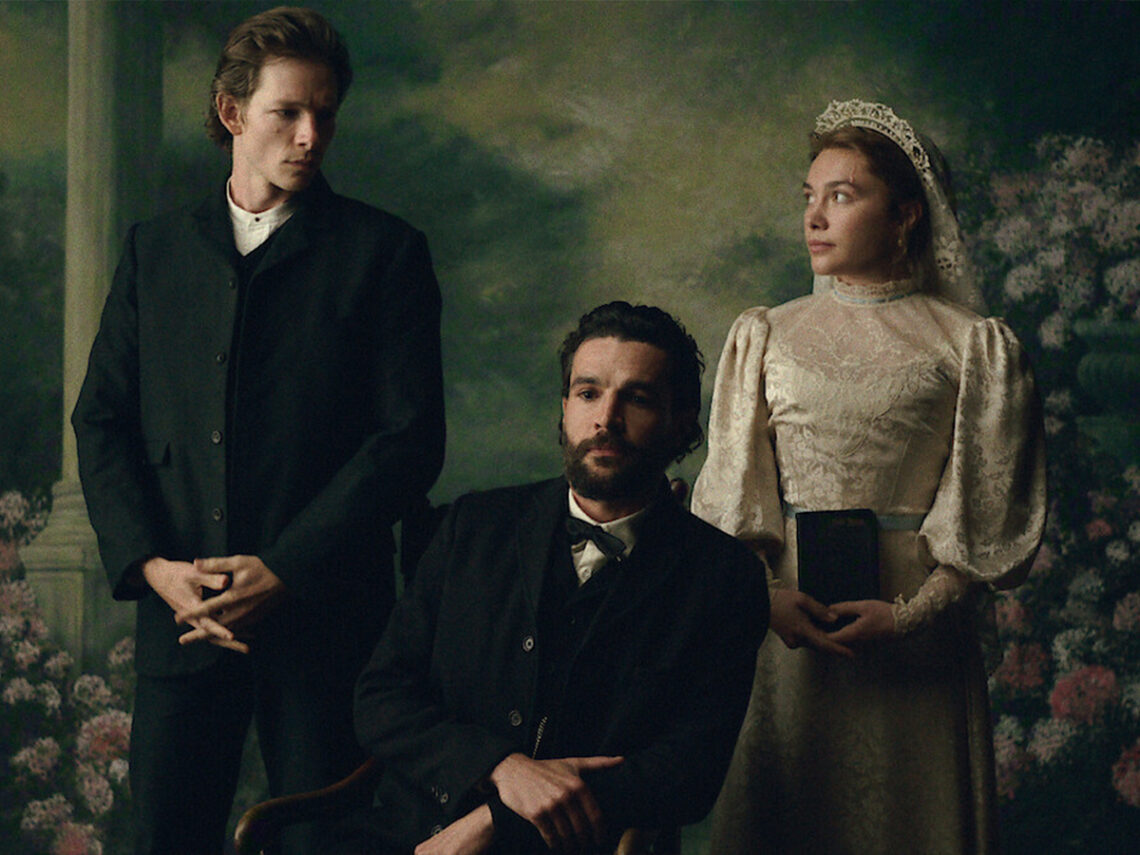
‘East of Eden’ ending explained: Cathy’s final fate and the tragedy that follows
Florence Pugh’s Cathy Ames has been the great scandal at the centre of Netflix’s new adaptation of East of Eden, and from the moment she enters the Trask story, she has a powerful effect on almost everyone around her. You see, Zoe Kazan’s adaptation moves the balance of Steinbeck’s novel by giving Cathy far more of the narrative perspective, which thus allows us to spend time with the woman whom the book so often presents as something close to a monster.
That does not mean the series excuses her, mind you. Cathy becomes Kate and fashions another life for herself, much as she does in Steinbeck’s novel, while remaining the great truth Adam would rather keep buried within his family. Rather inconvenient, then, that buried truths do surface after a point.
By the end, Adam has spent years raising Cal and Aron without telling them what became of their mother, while the brothers have grown into men who see the world very differently. Aron holds on to an almost idealised idea of goodness, whereas Cal has spent much of his life fearing that Cathy’s darker nature may have passed to him.
Then Adam rejects the money Cal has made during the First World War, and the resentment Cal has carried towards Aron finally becomes impossible to ignore. Cal has not just offered his father money… He sees it as proof that he is worth something, only for Adam to refuse the money on moral grounds. So what does a hurt son do when his father’s love starts to feel like something he can never earn?
Cal reaches for the one truth he very well knows would shatter Aron’s world: their mother is alive.
And that is where the finale of East of Eden really turns the screw. Cathy’s past comes back into the family, forcing Aron to face the truth about his mother. Cal learns too late that spite does not stop where you want it to.
Why does Cal take Aron to Cathy?
It is apparent that there is more than a little of Charles in Cal, especially when it comes to the craving for a father’s approval. Charles spent his youth aching for Cyrus to value him, as he valued Adam, and now Cal is caught in much the same wretched pattern. So when his father refuses the fortune he offers him, years of feeling second-best rise to the surface.
Aron represents everything Cal believes Adam admires, while Cal has spent his life fearing that he inherited the part of Cathy nobody wishes to name. And despite being aware of that darkness, he chooses to show Aron the truth as his weapon.
Cal takes his brother to Cathy, now living as Kate, knowing full well that Aron has built much of his identity around an idealised understanding of his parents. The revelation does more than expose a lie… It wrecks the way Aron has always understood his family and himself.
The worst part is Cal wants to hurt him, but once the truth is out, he has no control over how deep that hurt goes. There is an old lesson in that, is there not? Fire the arrow in anger, and you do not get to decide where it lands.
Aron cannot make sense of the woman standing in front of him and the mother he had spent years believing was dead. What Cal meant as revenge now pushes the family towards its unfortunate disaster.
What happens to Cathy in the East of Eden finale?
Cathy’s story ends with her taking her own life, bringing Florence Pugh’s poisonous journey through the Trask family to an end, though the Netflix series doesn’t depict her as a “monster” but a morally grey woman.
You might wonder why that’s important. You see, Steinbeck often writes Cathy as though evil exists within her by nature, whereas Kazan’s adaptation looks at the person behind that reputation. That does not amount to forgiveness for what Cathy has done, good heavens, no, but it does make her a morally complicated woman.
Yet Cathy cannot cut herself loose from the result. That would be far too easy, wouldn’t it? Cathy dies, then, but her shadow does not go with her.
What happens to Aron and Adam, and what does “Timshel” mean?
After learning the truth about Cathy, Aron abandons the future he had been building and enlists during the First World War, where he is killed. The news devastates Adam, who suffers a severe stroke, while Cal is left staring at what his spite has wrought. Sure, he meant to hurt his brother but not send him towards his death. Alas! The damage was done.
Lee is the one who gets Cal to face Adam again, because left to himself, Cal would probably let the guilt finish him off. At this point, he does not need his father to tell him he did well. He needs to hear that one awful thing does not make him an awful person.
And Adam? He answers with a single word: “Timshel”.
In Steinbeck’s moral world, it means “thou mayest”: Cal still has a choice. He cannot bring Aron back or undo what happened with Cathy, but he is not doomed to become the worst parts of the people who came before him. And really, that is tougher than simple forgiveness.
The finale leaves Cal alive with the weight of what he has done but also with the chance to decide what kind of man he becomes from here.