


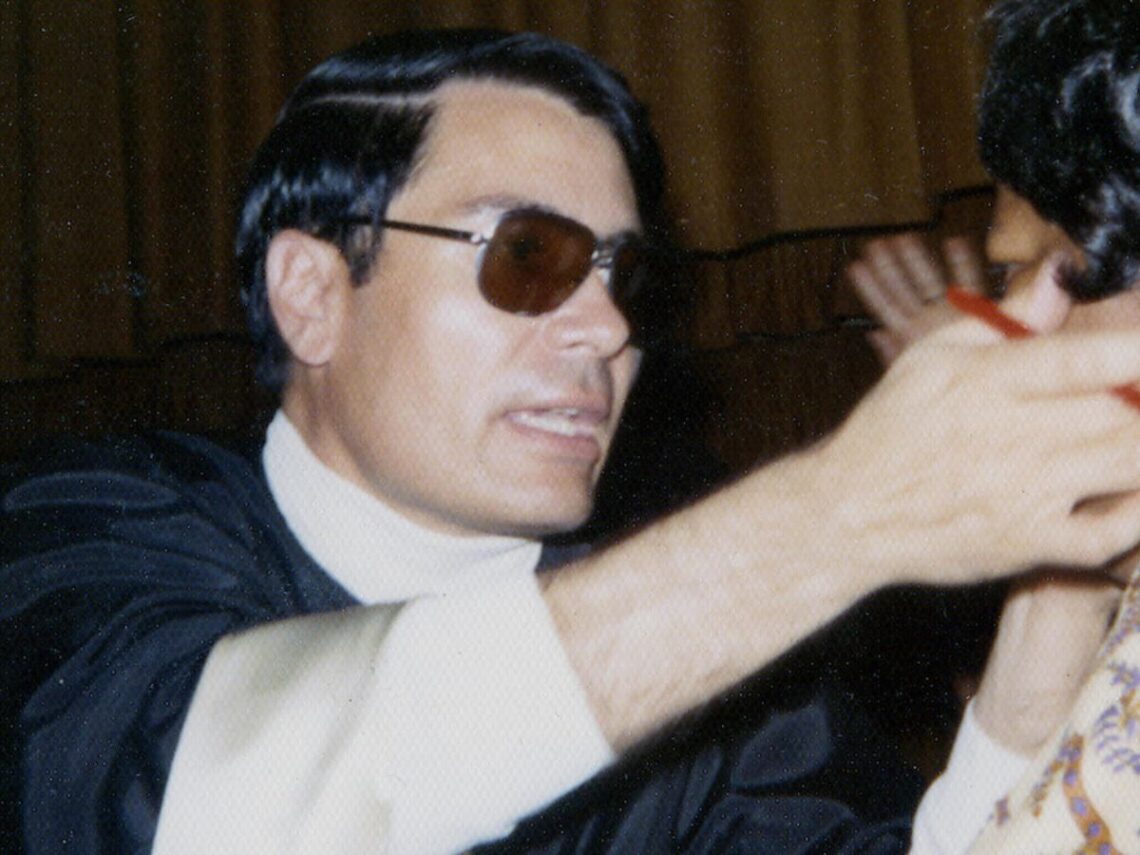
A new Netflix docuseries revisits the Jonestown massacre
For years, the word “Jonestown” has been a part of many conversations without much explanation. People recognise the name, but not everyone knows what actually happened or how it reached that point. It is one of those stories that feels familiar, even when the details are missing. Hence, Netflix decided it’s time to get involved and let people know.
So this new Netflix docuseries is planning on taking a step back into that history. Instead of rushing straight to the tragedy, it will focus on how a group which was built on hope and belonging slowly changed over time. The series looks at how trust was formed and how warning signs were ignored or explained away.
The three-part series is directed by J.M. Harper, who will be approaching the story through people who lived it. Survivors and former members of Peoples Temple speak about their experiences, many of them publicly for the first time. Their voices will definitely help shift the story away from rumours and towards real memories.
The series also includes perspectives from Stephan Jones, Jim Jones’s son. His involvement adds a personal layer to a story often told from the outside. Rather than treating Jonestown as a distant event, the docuseries frames it as something that unfolded slowly.
But who are all these people, and what was the massacre all about? Let us tell you everything about it.
What was the Jonestown massacre?
The Jonestown massacre took place on November 18, 1978, in a remote settlement in Guyana known as Jonestown. More than 900 people died there after being forced to consume a cyanide-laced drink. Many of the victims were children and elderly members of the community.
Jonestown was created by the Peoples Temple, a religious group led by Jim Jones. In its early days, the movement focused on racial equality and shared resources. Social justice was a big part of this movement, too. It attracted thousands of followers, most of them Black Americans, who were looking for safety and community.
As Jim Jones gained more control, life inside the group began to change. Members were expected to obey without question. Contact with the outside world became limited. People were told that enemies were everywhere and that leaving was dangerous. In short, it became a cult.
When media attention and concerns from families increased, Jones moved the group to Guyana. He called it a safe haven away from discrimination and political tension in the United States. However, in reality, the settlement became isolated and tightly controlled. Armed guards monitored residents, and fear became part of daily life.
The situation escalated after U.S. Congressman Leo Ryan visited Jonestown to investigate reports of abuse. Shortly after his departure, Jones ordered the mass killing of his followers. Though often described as a suicide, survivors and historians say it was a mass murder carried out under pressure and threat.
The Netflix docuseries aims to explain how this happened. It’ll do it step by step so that the viewers can know the whole story with accuracy and care.